

Nicotine alkaloid is a naturally occurring chemical compound that is primarily found in tobacco plants. It belongs to a class of compounds known as alkaloids, which have physiological effects on the human body. Nicotine is renowned for its addictive properties and is the main reason why smoking and tobacco use can be so difficult to quit.
Nicotine alkaloid’s significance lies in its impact on the central nervous system, where it acts as a stimulant. When consumed through smoking or other means, nicotine stimulates the release of various neurotransmitters, including dopamine, norepinephrine, and serotonin. This leads to pleasurable sensations and can create a cycle of dependency and addiction.
Understanding nicotine alkaloid is essential for individuals who want to quit smoking or minimize their nicotine consumption. By grasping its properties and effects, individuals can make informed decisions about their health and explore strategies for breaking free from nicotine addiction. Recognizing the addictive and potentially harmful nature of nicotine alkaloid is a crucial step towards leading a healthier, nicotine-free life.
Providing an overview of nicotine alkaloid’s properties and effects
Nicotine alkaloid, a chemical compound found primarily in tobacco plants, possesses distinct properties and exerts various effects on the human body. Understanding these properties and effects is crucial for individuals looking to quit smoking or minimize their nicotine intake. Here is an overview:
Chemical Properties:
- Nicotine alkaloid has a molecular formula of C10H14N2 and is a colorless, oily liquid.
- It has a characteristic pungent odor and a boiling point of approximately 247 degrees Celsius.
- Nicotine is soluble in water and readily absorbed through mucous membranes.
Central Nervous System Stimulation:
- Nicotine acts as a psychoactive substance, stimulating the release of neurotransmitters in the brain.
- It increases the levels of dopamine, norepinephrine, and serotonin, leading to feelings of pleasure and reward.
- The central nervous system stimulation provided by nicotine contributes to its addictive nature.
Addiction and Dependence:
- Nicotine alkaloid is highly addictive, and regular use can lead to physical and psychological dependence.
- Nicotine addiction is driven by the rewarding effects it produces and the cravings and withdrawal symptoms experienced upon cessation.
Cognitive and Performance Effects:
- Nicotine has cognitive-enhancing properties and can improve attention, concentration, and memory.
- Some individuals may use nicotine as a cognitive enhancer or performance booster, although its long-term benefits are still debated.
Cardiovascular Effects:
- Nicotine can temporarily increase heart rate, blood pressure, and cause vasoconstriction (narrowing of blood vessels).
- Prolonged nicotine use can contribute to the development of cardiovascular diseases, such as hypertension and an increased risk of heart attacks.
Respiratory Effects:
- Smoking tobacco, which contains nicotine, exposes the lungs to harmful chemicals and can lead to respiratory issues.
- Chronic tobacco use increases the risk of conditions like chronic bronchitis, emphysema, and lung cancer.
Effects During Pregnancy:
- Nicotine readily crosses the placental barrier and affects the developing fetus.
- Smoking during pregnancy increases the risk of complications such as premature birth, low birth weight, and developmental issues in the child.
Withdrawal Symptoms:
- When nicotine use is abruptly stopped or significantly reduced, individuals may experience withdrawal symptoms.
- These symptoms can include irritability, anxiety, cravings, difficulty concentrating, increased appetite, and mood swings.
Understanding the properties and effects of nicotine alkaloid provides insight into its addictive nature and the potential risks associated with its use. By comprehending these aspects, individuals can make informed decisions about quitting smoking, seeking support, and exploring nicotine cessation strategies to lead healthier lives free from nicotine addiction.
Chemical Properties of Nicotine Alkaloid
- Nicotine alkaloid is a chemical compound with distinct properties that contribute to its physiological effects. Here are some key chemical properties of nicotine alkaloid:
- Molecular Formula: The molecular formula of nicotine alkaloid is C10H14N2, indicating its composition of 10 carbon atoms, 14 hydrogen atoms, and 2 nitrogen atoms.
- Structure: Nicotine alkaloid has a pyridine ring fused with a pyrrolidine ring. This fused ring structure is responsible for its biological activity and interaction with receptors in the central nervous system.
- Physical State: Nicotine alkaloid is a colorless or pale yellow, oily liquid at room temperature. It has a relatively low vapor pressure and a boiling point of approximately 247 degrees Celsius.
- Solubility: Nicotine alkaloid is soluble in both water and organic solvents. This property allows nicotine to be readily absorbed into the bloodstream when consumed through smoking or other means.
- Odor: Nicotine alkaloid possesses a distinct, pungent odor. This odor is often associated with the characteristic smell of tobacco smoke.
- pH: Nicotine alkaloid is a weak base with a pH around 8 to 9. It can form salts with acids, which affects its chemical behavior and solubility in different environments.
- Stability: Nicotine alkaloid is relatively stable under normal conditions, but it can undergo chemical reactions when exposed to high temperatures or certain chemicals. For example, heating nicotine alkaloid during smoking can cause it to undergo pyrolysis and form various harmful compounds.
Molecular structure and formula of nicotine alkaloid
The molecular structure of nicotine alkaloid consists of two fused ring systems: a pyridine ring and a pyrrolidine ring. The pyridine ring is a six-membered aromatic ring containing five carbon atoms and one nitrogen atom, while the pyrrolidine ring is a five-membered ring containing four carbon atoms and one nitrogen atom. The two rings are fused together, sharing one carbon atom.
The molecular formula of nicotine alkaloid is C10H14N2, indicating that it consists of 10 carbon atoms, 14 hydrogen atoms, and 2 nitrogen atoms. The specific arrangement of these atoms in the fused ring structure gives nicotine its unique chemical properties and biological activity.
The structural formula of nicotine alkaloid can be represented as:
NICOTINE STRUCTURE
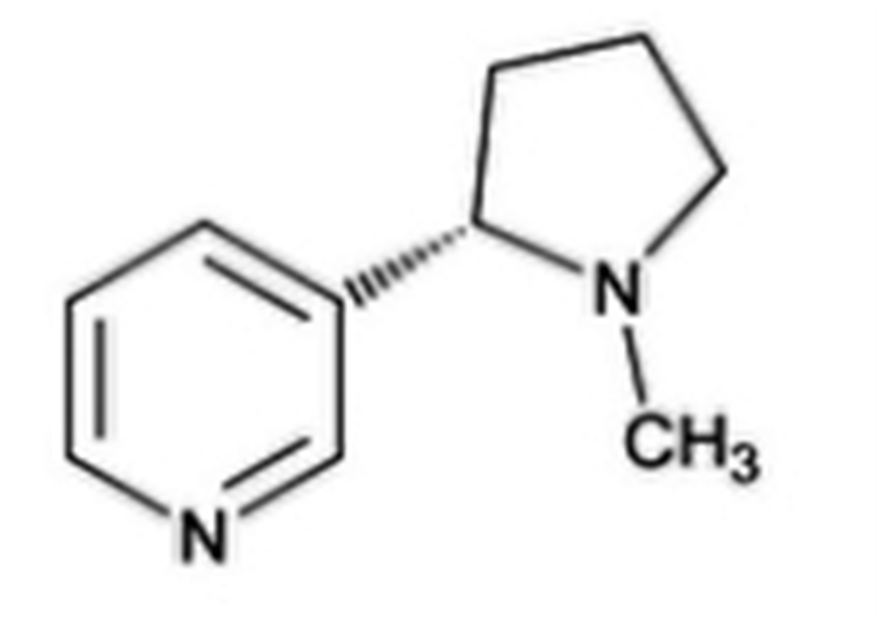
This representation shows the arrangement of atoms and bonds in the nicotine molecule, with the hydrogen (H) atoms attached to carbon (C) and nitrogen (N) atoms. The structure depicts the fused pyridine and pyrrolidine rings, highlighting the connectivity of the atoms within the molecule.
Understanding the molecular structure and formula of nicotine alkaloid helps to grasp its chemical composition and arrangement, which plays a significant role in its interactions with receptors in the body and its addictive and physiological effects.
Sources of nicotine alkaloid, with a focus on tobacco
Nicotine alkaloid is primarily found in tobacco plants (Nicotiana tabacum). Tobacco leaves contain varying levels of nicotine, depending on the specific tobacco variety, growing conditions, and curing processes. Here are some key sources of nicotine alkaloid with a focus on tobacco:
- Tobacco Leaves: The leaves of the tobacco plant are the primary source of nicotine alkaloid. The concentration of nicotine can vary in different parts of the plant, with higher levels typically found in the mature leaves. These leaves are harvested and processed to create various tobacco products, including cigarettes, cigars, pipe tobacco, chewing tobacco, and snuff.
- Cured and Processed Tobacco Products: Tobacco leaves undergo a curing process to reduce moisture and improve flavor. After curing, the leaves can be further processed to create different tobacco products. The nicotine content can vary among these products, with cigarettes generally having higher nicotine levels due to specific tobacco blends and manufacturing techniques.
- Smokeless Tobacco: Smokeless tobacco products, such as chewing tobacco and snuff, also contain nicotine alkaloid. These products are used by placing the tobacco in the mouth, where nicotine is absorbed through the oral mucosa. The nicotine content in smokeless tobacco can vary, and users may regulate their intake through the frequency and duration of use.
- Nicotine Extracts and Nicotine Replacement Therapies (NRTs): Nicotine alkaloid can also be extracted from tobacco plants for various purposes. Pharmaceutical companies may extract nicotine from tobacco leaves to produce nicotine replacement therapies (NRTs) like nicotine patches, gum, lozenges, inhalers, and nasal sprays. These NRTs provide controlled doses of nicotine to help individuals quit smoking or reduce their dependence.
Nicotine Alkaloid and Tobacco
Nicotine alkaloid and tobacco are intimately connected, as tobacco plants (Nicotiana tabacum) are the primary natural source of nicotine. Here is a closer look at the relationship between nicotine alkaloid and tobacco:
Nicotine Content in Tobacco:
- Nicotine is present in varying concentrations in different parts of the tobacco plant, with higher levels typically found in the leaves.
- The nicotine content can differ among tobacco varieties, growing conditions, and curing processes.
- Mature leaves generally contain higher levels of nicotine compared to young leaves or other parts of the plant.
Nicotine’s Role in Tobacco:
- Nicotine is naturally synthesized by tobacco plants as a defense mechanism against herbivores and pests.
- It acts as a neurotoxin, affecting the nervous systems of insects and other organisms that try to consume or damage the plant.
- The presence of nicotine in tobacco leaves serves as a deterrent to protect the plant from being eaten or destroyed.
Nicotine and Smoking Addiction:
- When tobacco is smoked, the nicotine alkaloid is released through combustion and inhaled into the lungs.
- The lungs absorb nicotine into the bloodstream, and it rapidly reaches the brain, triggering various physiological and psychological effects.
- The pleasurable sensations and the release of neurotransmitters, such as dopamine, contribute to the addictive nature of nicotine.
- Smoking tobacco introduces nicotine into the body in a highly efficient and addictive manner, leading to dependence and addiction.
Other Forms of Tobacco Use:
- Nicotine alkaloid is not only consumed through smoking but also through other forms of tobacco use, such as chewing tobacco and snuff.
- Chewing tobacco involves placing a wad of tobacco in the mouth, allowing nicotine to be absorbed through the oral mucosa.
- Snuff is a finely ground tobacco product that can be sniffed or placed between the gum and cheek to release nicotine.
Harmful Substances in Tobacco:
- It’s important to note that tobacco contains various harmful substances apart from nicotine alkaloid.
- When tobacco is burned and smoked, it produces numerous toxic chemicals, such as tar, carbon monoxide, and carcinogens.
- These harmful substances contribute to the increased risk of various health issues associated with tobacco use, including lung cancer, respiratory diseases, cardiovascular diseases, and more.
Understanding the connection between nicotine alkaloid and tobacco is essential for recognizing the addictive nature of smoking and the health risks associated with tobacco use. It highlights the central role of nicotine in tobacco addiction and underscores the importance of quitting or reducing tobacco consumption to improve overall health and well-being.
Role of nicotine as a natural defense mechanism in tobacco plants
Nicotine serves as a natural defense mechanism in tobacco plants (Nicotiana tabacum) to protect them from herbivores and pests. Here are some key roles of nicotine as a defense mechanism:
- Insecticidal Properties: Nicotine acts as a potent insecticide, disrupting the nervous systems of insects and other herbivores that feed on tobacco plants. When ingested by insects, nicotine targets their neural receptors, interfering with nerve signal transmission and leading to paralysis and eventually death.
- Repellent Effect: The presence of nicotine in tobacco leaves acts as a repellent to deter herbivores from feeding on the plant. The bitter taste and toxic effects of nicotine discourage insects and animals from consuming the leaves, reducing damage to the plant.
- Growth Inhibitor: Nicotine can inhibit the growth and development of certain herbivores. It can affect their feeding behavior, digestion, reproduction, and overall fitness. This inhibition helps limit the population growth of herbivores that may pose a threat to the tobacco plant.
- Allelopathy: Nicotine exerts allelopathic effects, which means it can affect the growth and development of other plants in its vicinity. The release of nicotine compounds into the soil by tobacco roots can inhibit the germination and growth of nearby plants, acting as a form of chemical warfare against competing vegetation.
- Symbiotic Relationship: Interestingly, nicotine also plays a role in establishing a symbiotic relationship between tobacco plants and certain beneficial microbes. Some microorganisms in the soil can metabolize nicotine and use it as a source of nitrogen and carbon. In return, these microbes enhance nutrient availability and plant growth, providing an advantage to the tobacco plant.
By producing nicotine, tobacco plants have evolved an effective defense mechanism that helps deter herbivores and protect their survival. This natural defense mechanism allows tobacco plants to thrive in their environment, despite the presence of potential threats. However, it is important to note that while nicotine provides defense for the plant, its consumption by humans can have harmful effects on health, emphasizing the need for responsible and informed use.
Effects of Nicotine Alkaloid on the Body
Nicotine alkaloid has various effects on the human body, primarily due to its interaction with the central nervous system. Here are the key effects of nicotine alkaloid on the body:
- Stimulant Effect: Nicotine acts as a central nervous system stimulant. When nicotine enters the bloodstream through smoking or other means, it binds to nicotinic acetylcholine receptors in the brain, triggering the release of various neurotransmitters, including dopamine, norepinephrine, and serotonin. This leads to feelings of alertness, increased energy, and improved cognitive performance.
- Addiction and Dependence: Nicotine is highly addictive, and repeated use can lead to physical and psychological dependence. The rewarding effects of nicotine and the release of neurotransmitters reinforce the behavior, creating a cycle of addiction. Withdrawal symptoms, such as cravings, irritability, and difficulty concentrating, can occur when nicotine intake is reduced or stopped.
- Cardiovascular Effects: Nicotine can have both short-term and long-term effects on the cardiovascular system. Short-term effects include an increase in heart rate, blood pressure, and constriction of blood vessels. Long-term use of nicotine can contribute to the development of cardiovascular diseases, including hypertension, atherosclerosis, and an increased risk of heart attacks.
- Respiratory Effects: Smoking tobacco, which contains nicotine, exposes the respiratory system to harmful chemicals. Nicotine can affect the functioning of the lungs and airways, leading to respiratory issues such as chronic bronchitis and emphysema. Smoking is also a major risk factor for lung cancer.
- Gastrointestinal Effects: Nicotine stimulates the release of gastric acid in the stomach, which can contribute to gastrointestinal issues such as heartburn and acid reflux. It can also affect the motility of the digestive system, leading to changes in bowel movements.
- Psychological Effects: Nicotine can have psychological effects, including mood modulation. It can produce feelings of relaxation, stress relief, and improved mood. However, the effects are often temporary, and prolonged nicotine use can lead to increased anxiety, irritability, and mood swings.
- Effects During Pregnancy: Nicotine crosses the placental barrier, and smoking during pregnancy can have detrimental effects on fetal development. It increases the risk of complications such as premature birth, low birth weight, developmental issues, and an increased likelihood of the child becoming a smoker later in life.
- Other Health Risks: Nicotine use is associated with an increased risk of various health conditions, including certain types of cancers, respiratory diseases, cardiovascular diseases, reduced fertility, and impaired wound healing.
It’s important to note that many of the negative health effects associated with nicotine are primarily due to smoking, which exposes the body to a wide range of harmful chemicals. Nicotine replacement therapies (NRTs) used under medical guidance can help mitigate some of these risks by providing controlled nicotine doses without the harmful combustion byproducts of tobacco smoke.
Physical and psychological dependence on nicotine
Nicotine is a highly addictive substance, and its use can lead to both physical and psychological dependence. Here’s a breakdown of the physical and psychological aspects of nicotine dependence:
Physical Dependence:
- Tolerance: With continued nicotine use, the body develops a tolerance to its effects. This means that over time, individuals may require higher amounts of nicotine to achieve the desired effects that they initially experienced with lower doses.
- Withdrawal Symptoms: When nicotine intake is reduced or stopped, individuals may experience withdrawal symptoms. These symptoms can include cravings, irritability, anxiety, restlessness, difficulty concentrating, increased appetite, insomnia, and depressed mood. Withdrawal symptoms typically peak within the first few days after quitting and gradually diminish over time.
- Neurochemical Changes: Nicotine affects the release of various neurotransmitters, such as dopamine, norepinephrine, and serotonin, in the brain. With regular nicotine use, the brain adjusts its chemistry to accommodate the presence of nicotine. When nicotine intake is interrupted, the brain undergoes a process of readjustment, leading to withdrawal symptoms and an imbalance in neurotransmitter levels.
Psychological Dependence:
- Cravings and Triggers: Nicotine use becomes closely associated with certain activities, environments, or emotional states, which can act as triggers for cravings. For example, individuals may experience strong cravings for nicotine when they see others smoking, during times of stress, or after meals. These cravings are often driven by the association between nicotine and pleasurable or comforting experiences.
- Behavioral Associations: Nicotine use becomes intertwined with certain behaviors and routines, such as smoking a cigarette after a meal or during a work break. These habitual associations can contribute to the psychological dependence on nicotine.
- Coping Mechanism: Nicotine is often used as a means of coping with stress, anxiety, or other emotional states. The perceived calming or mood-enhancing effects of nicotine can create a psychological dependence, as individuals rely on nicotine to manage their emotions.
- Reinforcement and Reward: The release of dopamine and other neurotransmitters in the brain in response to nicotine reinforces the behavior, creating a sense of reward and pleasure. This reinforcement contributes to the psychological dependence on nicotine and the desire to continue using it.
Breaking the cycle of nicotine dependence requires addressing both the physical and psychological aspects. Nicotine replacement therapies (NRTs), counseling, behavioural therapies, and support groups can be helpful in managing withdrawal symptoms, addressing psychological triggers, and developing strategies to overcome nicotine dependence.
Nicotine as a cognitive enhancer
Nicotine has been studied for its potential cognitive-enhancing effects, particularly in the realm of attention, memory, and mental processing. However, it’s important to note that while nicotine may have some cognitive benefits, its use comes with significant health risks and addictive potential. Here are some key points regarding nicotine as a cognitive enhancer:
- Attention and Focus: Nicotine has been found to improve attention and focus, particularly in tasks requiring sustained attention or divided attention. It can enhance vigilance, reaction time, and attentional switching, which can be beneficial in situations that demand heightened cognitive performance.
- Memory Enhancement: Nicotine may have positive effects on certain aspects of memory. It has been shown to improve working memory, which involves holding and manipulating information in the mind for short periods. Some studies suggest that nicotine may enhance certain types of episodic memory, involved in remembering specific events or experiences.
- Cognitive Flexibility: Nicotine may enhance cognitive flexibility, which refers to the ability to switch between different tasks or mental sets. It has been observed to improve cognitive flexibility, particularly in situations requiring adaptive responses or task-switching.
- Executive Function: Executive functions, such as decision-making, problem-solving, and inhibition of impulsive behaviors, may be influenced by nicotine. Some research suggests that nicotine may enhance certain aspects of executive function, particularly in individuals with pre-existing cognitive deficits.
- Mood and Arousal: Nicotine has been reported to have mood-altering effects, potentially improving mood, reducing stress, and increasing arousal. These effects may indirectly contribute to cognitive enhancement by promoting a more positive and focused state of mind.
It’s important to approach the topic of nicotine as a cognitive enhancer with caution. While nicotine may show some positive effects on certain cognitive functions, its risks and addictive potential must be carefully considered. Nicotine use, particularly through smoking, is associated with various health issues, including addiction, cardiovascular problems, respiratory diseases, and increased cancer risk. Additionally, individual responses to nicotine can vary, and the effects may differ depending on factors such as dosage, administration method, and the individual’s overall health and cognitive baseline.
Explore Our Products: https://monir12.svalphawp.com/products/
Follow us on:
Facebook: https://www.facebook.com/profile.php?id=61559713707912&is_tour_dismissed
Twitter: https://x.com/prismindltd
Linkedin: https://www.linkedin.com/in/prism-industries-589771309/
Instagram : https://www.instagram.com/prism2241/