
/home/svalphaw/public_html/monir12.svalphawp.com/wp-content/mu-plugins API Pharmaceutical company https://monir12.svalphawp.com Sat, 19 Jul 2025 10:57:12 +0000 en-US hourly 1 https://wordpress.org/?v=7.0.4 https://monir12.svalphawp.com/wp-content/uploads/2024/12/cropped-favicon-32x32.png API Pharmaceutical company https://monir12.svalphawp.com 32 32 Why Global Pharma Companies Trust Nicotine Polacrilex Resinate https://monir12.svalphawp.com/why-global-pharma-companies-trust-nicotine-polacrilex-resinate/ https://monir12.svalphawp.com/why-global-pharma-companies-trust-nicotine-polacrilex-resinate/#respond Fri, 11 Jul 2025 10:32:14 +0000 https://monir12.svalphawp.com/?p=4961
Nicotine Polacrilex

Introduction: The Growing Importance of Nicotine Polacrilex Resinate

In our modern world, where public health organizations and governments are tirelessly advocating for smoking cessation, nicotine replacement therapies (NRT) have become vital tools in assisting millions to kick the habit. Among the standout ingredients in these therapies, nicotine polacrilex resinate has proven to be a reliable and effective choice.

At Prism Industries Pvt. Ltd., we recognize the significant role that nicotine polacrilex resinate plays in global healthcare. As a leading supplier of active pharmaceutical ingredients (APIs), we take pride in providing pharmaceutical companies around the globe with high-quality, dependable, and safe nicotine polacrilex resinate. In this article, we’ll delve into why this compound has earned such trust, its unique advantages, its various applications, and what makes Prism Industries the preferred partner.

What is Nicotine Polacrilex Resinate?

Definition and Structure

Nicotine polacrilex resinate is a nicotine-resin complex crafted for controlled release. In this formulation, nicotine is attached to an ion-exchange resin, allowing it to be released gradually when it interacts with saliva. This controlled release ensures a steady supply of nicotine, helping to manage withdrawal symptoms and curb cravings.

Why Use Nicotine Polacrilex Resinate?

When compared to free-base nicotine, nicotine polacrilex resinate provides a smoother and more gradual absorption, minimizing the chances of sudden spikes and side effects. It’s specifically designed for use in NRT products like chewing gums and lozenges.

Applications of Nicotine Polacrilex Resinate

Nicotine Chewing Gum

One of the most popular uses for nicotine polacrilex resinate is in nicotine chewing gum. As people chew, nicotine is gradually released and absorbed through the lining of the mouth, giving them quick relief from cravings without the harmful substances found in cigarettes.

Lozenges

Nicotine polacrilex resinate is also commonly found in lozenges, which function similarly to gum but cater to those who prefer not to chew.

Novel NRT Forms

In addition to the traditional gum and lozenges, nicotine polacrilex resinate is being investigated for new delivery methods, such as thin oral films and dissolvable tablets, providing more choices for smokers looking to quit.

Why Global Pharma Companies Favor Nicotine Polacrilex Resinate

Proven Safety and Efficacy

Nicotine polacrilex resinate has built a solid reputation for its safety and effectiveness. Thanks to its controlled-release mechanism, it’s a dependable option for curbing cravings while keeping patients away from the harmful substances found in tobacco smoke.


Improved Patient Compliance

With nicotine polacrilex resinate, patients enjoy a more gradual release of nicotine, which means they’re less likely to experience annoying side effects like throat irritation or sudden nicotine spikes. This leads to greater satisfaction and better adherence to their treatment plans.


Versatile Formulation Options

Pharmaceutical companies value the adaptability of nicotine polacrilex resinate, as it can be formulated into various oral dosage forms to meet different patient preferences and market demands.


At Prism Industries Pvt. Ltd., we take pride in our commitment to quality. Quality isn’t just a buzzword for us; it’s the foundation of everything we do. When it comes to producing nicotine polacrilex resinate, we adhere to strict Good Manufacturing Practices (GMP) to guarantee safety, purity, and reliable performance.


Our manufacturing facilities are top-notch, featuring the latest technology that allows us to maintain precise control over every detail of nicotine polacrilex resinate production, from particle size to purity and resin binding efficiency.


Behind our success is a dedicated team of scientists and engineers, each bringing years of experience to the table. Their expertise ensures that every batch of nicotine polacrilex resinate not only meets but often exceeds global standards.

Regulatory Compliance and Global Standards

Meeting International Requirements

As a reliable global partner, we make sure that our nicotine polacrilex resinate meets all the key international regulatory standards, including the European Pharmacopoeia (EP) and United States Pharmacopoeia (USP) guidelines.


Comprehensive Documentation

We offer thorough regulatory documentation, such as Certificates of Analysis (CoA), stability data, and safety data sheets, which help our partners easily secure approvals in different markets.

Advantages of Using Nicotine Polacrilex Resinate

Controlled Nicotine Delivery

The controlled release of nicotine polacrilex resinate helps to minimize the risk of overdose and prevents sudden spikes, making it a safer and more effective option compared to other nicotine forms.


Enhanced Bioavailability

Nicotine polacrilex resinate boasts high bioavailability through buccal absorption, delivering quick and consistent relief from cravings.


Reduced Irritation

Thanks to its gradual release, nicotine polacrilex resinate is gentler on the throat and mouth, making it a more comfortable choice for long-term use.

Supporting Smoking Cessation Goals

Helping Millions Quit Smoking

Nicotine polacrilex resinate is a game changer in the fight against smoking addiction, providing a dependable source of controlled nicotine that helps millions around the globe cut back or completely kick their cigarette habit.


Part of Public Health Strategies

Numerous health organizations and governments have recognized the importance of NRT products containing nicotine polacrilex resinate in their smoking cessation initiatives, highlighting its crucial role in promoting public health.

Innovation and Future Directions

Expanding Product Portfolios

Pharmaceutical companies are always on the lookout for fresh and innovative ways to assist smokers on their journey to quit. With nicotine polacrilex resinate, they have the opportunity to develop new products that cater to various user needs.


Potential in Other Applications

Research is actively exploring the potential of nicotine polacrilex resinate beyond just smoking cessation, including its implications in cognitive studies and neurological applications, paving the way for exciting therapeutic possibilities in the future.

Why Prism Industries Pvt. Ltd. is the Partner of Choice

Global Reputation

At Prism Industries, we take pride in our commitment to quality and consistency, which has helped us earn the trust of pharmaceutical companies worldwide. We’re recognized for providing top-notch nicotine polacrilex resinate that meets the highest standards in the industry.

Flexible Solutions

We know that every partner has their own unique requirements. That’s why our team is dedicated to offering tailored solutions, whether it’s about specific resin binding ratios, particle size distributions, or customized packaging options.

Sustainability Commitment

At Prism Industries, we’re all about sustainable manufacturing. From eco-friendly processes to responsible waste disposal, we ensure that our nicotine polacrilex resinate not only supports patient health but also contributes positively to the environment.

Supporting Partners from Concept to Commercialization

Technical Support

We offer thorough technical assistance throughout the entire product development journey. This includes everything from formulation advice to scale-up help and navigating regulatory submissions.

Reliable Supply Chain

Thanks to our strong supply chain capabilities, we guarantee timely delivery of nicotine polacrilex resinate to our partners around the globe. This helps minimize disruptions and ensures that products are consistently available.

Collaborative Approach

We see every client relationship as a long-term partnership. By working together, we aim to achieve common goals in providing effective smoking cessation therapies.

When it comes to Safety and Handling of Nicotine Polacrilex Resinate, it’s crucial to follow proper protocols. Just like any nicotine-containing product, nicotine polacrilex resinate requires careful handling. Our production facilities adhere to strict safety measures to safeguard our team and maintain the quality of our products.

We also prioritize secure packaging. Our compliant packaging options are designed to keep nicotine polacrilex resinate stable and high-quality during transit and storage.

To support our partners, Prism Industries offers a range of educational resources and training. This ensures that everyone knows how to handle and incorporate nicotine polacrilex resinate effectively into their final formulations.

Looking Ahead: The Future of Nicotine Polacrilex Resinate

Rising Demand for NRT

As more people become aware of the risks associated with smoking and the advantages of quitting, the demand for NRT products that utilize nicotine polacrilex resinate is set to keep growing.

Global Health Impact

Nicotine polacrilex resinate, a reliable element of NRT, will increasingly contribute to helping governments meet their public health goals aimed at reducing smoking rates.

Continued Innovation

Prism Industries is dedicated to innovation, constantly seeking new ways to enhance nicotine polacrilex resinate and broaden its uses to adapt to the changing needs of the market.

Conclusion: Why Global Pharma Companies Trust Nicotine Polacrilex Resinate

The reason why global pharmaceutical companies have faith in Nicotine Polacrilex Resinate is straightforward: its established safety, reliable delivery system, versatility, and user-friendly characteristics make it a vital component in today’s nicotine replacement therapies.

As a leading name in the industry, Prism Industries Pvt. Ltd. is proud to manufacture top-notch nicotine polacrilex resinate, partnering with pharmaceutical companies worldwide. Our deep expertise, unwavering commitment to quality, strong technical support, and focus on sustainability distinguish us as a trustworthy ally for both current and future NRT solutions.

By choosing Prism Industries Pvt. Ltd., you’re not just picking a supplier — you’re selecting a dedicated partner who is passionate about helping individuals lead healthier, smoke-free lives. Rely on us to enhance your formulations with our premium nicotine polacrilex resinate, and let’s work together to make a significant impact on global health.

]]>
https://monir12.svalphawp.com/why-global-pharma-companies-trust-nicotine-polacrilex-resinate/feed/ 0
Why Cinchonidine API Is Gaining Demand in Global Markets https://monir12.svalphawp.com/why-cinchonidine-api-is-gaining-demand-in-global-markets/ https://monir12.svalphawp.com/why-cinchonidine-api-is-gaining-demand-in-global-markets/#respond Thu, 03 Jul 2025 11:47:37 +0000 https://monir12.svalphawp.com/?p=4878
Cinchonidine

Introduction: Understanding Why Cinchonidine API Is Gaining Demand in Global Markets

Lately, the pharmaceutical industry has seen a notable surge in the need for specialized active pharmaceutical ingredients (APIs). Among these, cinchonidine API has really stood out as a top choice for many pharmaceutical companies around the globe. With its unique properties and diverse applications, cinchonidine API is quickly becoming a vital ingredient in various formulations.

So, what is it about cinchonidine API that’s driving its popularity? Why are manufacturers and researchers increasingly turning to this compound? In this article, we’ll dive into the reasons behind the rising demand for cinchonidine API in global markets, its key benefits, uses, and what makes it different from other APIs.

What is Cinchonidine API?

Origin and Structure

Cinchonidine API is a natural alkaloid derived from the bark of the cinchona tree, a plant that has long been valued for its medicinal properties. This compound shares a structural relationship with other cinchona alkaloids, like quinine and cinchonine, but it brings unique advantages that enhance its value.

Key Properties

The chemical structure of cinchonidine API endows it with strong antimalarial, antipyretic, and antiarrhythmic properties. Additionally, it plays a role in chiral synthesis, making it a flexible option for a variety of pharmaceutical applications.

Applications of Cinchonidine API in the Pharmaceutical Industry

Antimalarial Formulations

Cinchonidine API plays a crucial role in the fight against malaria, particularly in areas where the disease poses a significant health threat. It offers a reliable solution, especially when traditional treatments face resistance.


Chiral Catalyst in Synthesis

In the realm of pharmaceutical development, cinchonidine API is valued as a chiral catalyst in asymmetric synthesis. Its unique ability to induce chirality is key in crafting more effective and targeted medications. This function is especially vital for the creation of groundbreaking new drugs.


Treatment of Cardiac Arrhythmias

Cinchonidine API also finds its place in treating irregular heartbeats due to its antiarrhythmic properties. Although this use is less common than its application in antimalarial treatments, it certainly enhances its significance in the global market.

Why Cinchonidine API Is Gaining Demand in Global Markets

A Growing Focus on Malaria Control

Malaria continues to pose a significant threat in various regions around the globe. The rise of drug-resistant strains has intensified the need for alternative treatments. Cinchonidine API, known for its strong antimalarial properties, is increasingly being recognized as a dependable alternative, leading to a surge in its global demand.

Advancements in Chiral Synthesis

As the pharmaceutical industry shifts towards developing more precise and effective medications, the demand for chiral compounds has skyrocketed. Cinchonidine API stands out as an exceptional chiral catalyst, aiding in the production of enantiomerically pure drugs that offer enhanced efficacy and reduced side effects.

Increased Research and Development

Pharmaceutical companies are pouring resources into research and development to uncover new therapeutic applications for existing compounds. The adaptability of cinchonidine API positions it as a top contender for such research, further fueling its rising demand.

Support from Global Health Organizations

Organizations like the WHO are actively backing malaria eradication initiatives. This worldwide commitment to combating malaria further promotes the use of effective APIs like cinchonidine API, encouraging its adoption in both developing and developed nations.

When it comes to the benefits of cinchonidine API for pharmaceutical manufacturers, there’s a lot to unpack!

Versatility

Cinchonidine API is incredibly versatile, allowing pharmaceutical manufacturers to tap into a wide range of applications, from antimalarial treatments to serving as chiral catalysts in drug synthesis.

High Purity and Consistency

Produced with strict quality control measures, cinchonidine API boasts impressive purity and consistency, which are crucial for crafting reliable and safe pharmaceutical products.

Sustainable Sourcing

Many top manufacturers of cinchonidine API, like Prism Industries Pvt. Ltd., prioritize sustainable and ethical sourcing of cinchona bark. This dedication not only ensures a steady supply chain but also promotes environmental sustainability.

Cost-Effectiveness

When you stack it up against some synthetic alternatives, cinchonidine API often proves to be a cost-effective choice, making it a go-to option for large-scale production.

Prism Industries Pvt. Ltd.: Pioneering Cinchonidine API Production

Dedication to Quality

At Prism Industries Pvt. Ltd., we put quality at the forefront of everything we do. Our cinchonidine API is produced in GMP-certified facilities, guaranteeing that it meets the highest international standards for purity, safety, and effectiveness.

Cutting-Edge Manufacturing Techniques

We employ state-of-the-art manufacturing methods and rigorous quality control systems to provide cinchonidine API that our pharmaceutical partners can rely on.

Worldwide Presence

Thanks to our extensive distribution network, Prism Industries Pvt. Ltd. delivers cinchonidine API to pharmaceutical companies around the world, contributing to a variety of healthcare initiatives.

Tailored Solutions

With our expertise in custom API manufacturing, we’re able to provide personalized solutions that cater to specific client requirements, whether it’s modifying purity levels or creating specialized formulations.

Challenges in the Cinchonidine API Market

Regulatory Compliance

Just like any other pharmaceutical ingredient, cinchonidine API has to meet some pretty strict regulatory standards. Manufacturers really need to keep themselves updated with global guidelines to ensure they can access the market without any hiccups.

Sourcing Challenges

Finding cinchona bark can sometimes be a bit tricky, which can impact the production of cinchonidine API. It’s essential to adopt sustainable and ethical sourcing practices to tackle this issue effectively.

Market Competition

With demand on the rise, more companies are jumping into the market, which ramps up the competition. To stay ahead, manufacturers have to keep innovating and uphold high standards.

Future Outlook: What Lies Ahead for Cinchonidine API

Expansion into New Therapeutic Areas

Ongoing research might reveal new therapeutic uses for cinchonidine API, broadening its applications beyond the current markets and driving demand even higher.

Innovations in Drug Formulation

New advancements in drug delivery systems and formulations could boost the effectiveness of cinchonidine API, making it an even more appealing option for pharmaceutical developers.

Growing Emphasis on Sustainable APIs

As the pharmaceutical industry increasingly prioritizes sustainability, cinchonidine API, which comes from natural sources and is produced using eco-friendly methods, fits perfectly with the trends shaping the future market.

Why Pharmaceutical Companies Should Opt for Cinchonidine API

Proven Efficacy

Cinchonidine API has a solid track record in treating malaria and shines as a chiral catalyst, making it a reliable option for pharmaceutical use.

Flexible Applications

The versatility of cinchonidine API allows it to be utilized in various therapeutic areas and drug synthesis, giving pharmaceutical companies the flexibility they need.

Support from Leading Manufacturers

With reputable partners like Prism Industries Pvt. Ltd., companies can count on a steady supply, top-notch quality, and robust technical support for cinchonidine API.

Supporting Global Health with Cinchonidine API

Contribution to Malaria Control

By aiding in the production of effective antimalarial drugs, cinchonidine API is crucial to global health efforts aimed at wiping out malaria.

Enabling Advanced Therapies

Thanks to its role in chiral synthesis, cinchonidine API paves the way for the development of next-generation therapies, enhancing patient outcomes around the globe.

Building a Healthier Future

Choosing cinchonidine API is a step towards creating safer, more effective, and sustainable pharmaceutical solutions, ultimately contributing to a healthier future for everyone.

Conclusion: Why Cinchonidine API Is Gaining Demand in Global Markets

The pharmaceutical world is always changing, and cinchonidine API has carved out a significant niche in this ever-evolving landscape. Its essential role in antimalarial medications and its function as a chiral catalyst in drug synthesis highlight its remarkable versatility and effectiveness.

The increasing emphasis on malaria control, breakthroughs in pharmaceutical research, and the shift towards sustainable and ethical manufacturing practices are all driving the rising demand for cinchonidine API in global markets.

Prism Industries Pvt. Ltd. is leading the charge in this growth, providing top-notch cinchonidine API backed by cutting-edge manufacturing, rigorous quality control, and a robust global distribution network. As a reliable partner, Prism empowers pharmaceutical companies around the world to meet the surging demand for safe, effective, and innovative healthcare solutions.

By opting for cinchonidine API, pharmaceutical manufacturers can actively contribute to a healthier and more sustainable future. With global demand on the rise, cinchonidine API is poised to support new therapies, save lives, and create a meaningful impact in the world.

At Prism Industries Pvt. Ltd., we are proud to support such efforts by providing trusted, compliant APIs to innovators in the global pharmaceutical space.

To explore quinine for advanced therapeutic research, contact us today at www.prisminltd.com.

Contact us at www.prisminltd.com/contact to learn more or request a product sample.

Explore Our Products: https://monir12.svalphawp.com/products/

Follow us on:

Facebook: https://www.facebook.com/profile.php?id=61559713707912&is_tour_dismissed

Twitter: https://x.com/prismindltd

Linkedin: https://www.linkedin.com/in/prism-industries-589771309/

Instagram : https://www.instagram.com/prism2241/

]]>
https://monir12.svalphawp.com/why-cinchonidine-api-is-gaining-demand-in-global-markets/feed/ 0
Everything You Need to Know About Nicotine Alkaloid https://monir12.svalphawp.com/everything-you-need-to-know-about-nicotine-alkaloid/ https://monir12.svalphawp.com/everything-you-need-to-know-about-nicotine-alkaloid/#respond Fri, 20 Jun 2025 11:52:14 +0000 https://monir12.svalphawp.com/?p=4817
Nicotine Alkaloid

Introduction: The Significance of Nicotine Alkaloid

Nicotine alkaloid is a naturally occurring compound that primarily comes from the tobacco plant, and it plays a crucial role in various nicotine-based pharmaceuticals, vaporization products, and therapeutic uses. As a key ingredient in many smoking cessation aids and e-liquid formulations, nicotine alkaloid is one of the most studied and utilized pharmaceutical active ingredients in the global market.

At Prism Industries Pvt. Ltd., a well-respected Nicotine Alkaloid Manufacturer in India, we focus on producing high-purity pharmaceutical nicotine alkaloid that complies with global regulatory standards. We cater to customized bulk orders for nicotine replacement therapy (NRT) formulations, e-liquid applications, and pharmaceutical-grade derivatives.

What is Nicotine Alkaloid?

Nicotine alkaloid is the primary alkaloid found in tobacco leaves, making up about 95% of the total alkaloid content. It interacts with the nicotinic acetylcholine receptors in the nervous system, affecting neurotransmission and cognitive functions.

This compound is widely utilized in the production of:


– Pharmaceutical nicotine alkaloid derivatives like nicotine USP

– Nicotine alkaloid for e-liquids and vaping bases

– Nicotine sulfate and polacrilex for NRT applications


Applications of Nicotine Alkaloid


  1. Nicotine Alkaloid for E-liquids

In the world of vaping and electronic cigarettes, nicotine alkaloid for e-liquids stands out as a high-purity base that mixes seamlessly with VG/PG carriers. Its clean burn and smooth throat hit make it a top choice for Nicotine Alkaloid Suppliers around the globe.

  1. Pharmaceutical Nicotine Alkaloid for NRT Products

Pharmaceutical nicotine alkaloid is essential for products like gums, lozenges, patches, and inhalers. It’s specially processed to create APIs that assist individuals in quitting smoking by providing controlled nicotine delivery.

  1. Nicotine Research and Cognitive Studies

This compound is utilized in neuroscience and behavioral research because of its stimulating effects on memory, focus, and mood.

  1. Niche Veterinary and Pesticidal Use

Although its use has declined, nicotine alkaloid has been investigated for natural pest control and some veterinary applications.

Why Choose Prism Industries Pvt. Ltd. as Your Nicotine Alkaloid Supplier

As a leading global Nicotine Alkaloid Supplier and certified Nicotine Alkaloid Manufacturer based in India, we offer unmatched expertise, reliability, and customization options for clients worldwide.

– GMP-certified and ISO-compliant facility

– Over 99% purity in pharmaceutical nicotine alkaloid

– Comprehensive technical documentation, including COA, MSDS, and DMF support

– Custom packaging solutions for nicotine alkaloid in e-liquids and APIs

– Safe, regulatory-compliant global export capabilities

Manufacturing Process and Quality Control

Our efficient, solvent-based extraction process guarantees consistency and high yield. Key aspects of our manufacturing method include:

– Food and pharma-grade solvent systems

– Vacuum distillation for high-purity separation

– Batch-wise quality control checks for assay, moisture, and residue

– Specialized storage for nicotine alkaloid to ensure stability

Nicotine Alkaloid for E-Liquids: Key Features

– Enjoy a smooth throat hit without any harshness.

– Experience quick absorption through vaporization.

– Benefit from low residue and minimal degradation.

– Our product is compatible with most e-liquid carriers.

We proudly serve vape manufacturers and nicotine alkaloid suppliers who are looking for clean, compliant, and consistent raw materials.

Packaging & Global Distribution

We provide both standard and custom packaging options for our nicotine alkaloid products:

– Available in 1L, 5L, and 25L HDPE or glass containers.

– Features leak-proof and tamper-evident seals.

– Global delivery comes with all necessary regulatory paperwork.

As a trusted nicotine alkaloid manufacturer based in India, we distribute our products across North America, Europe, Southeast Asia, and Australia.

Compliance and Safety Measures

– We ensure full traceability of all raw materials.

– Our products comply with REACH, RoHS, and WHO-GMP standards.

– We prioritize safe handling, storage, and disposal according to MSDS guidelines.

– Our dedicated HSE team focuses on occupational safety.

Sustainable Manufacturing at Prism Industries Pvt. Ltd.

At Prism, we’re all about blending green practices into our production of nicotine alkaloid. Here’s how we do it:

– Solvent recovery systems

– Effluent treatment units

– Energy-efficient reactors

– Minimal emission protocols

Our dedication to the environment goes hand-in-hand with our mission to provide safe and scalable pharmaceutical nicotine alkaloid to customers around the globe.

Conclusion: Your Trusted Source for All Nicotine Alkaloid Needs

To truly grasp the significance of nicotine alkaloid, it’s essential to recognize its pivotal role in nicotine replacement therapy (NRT), research, and e-liquid production. Whether you’re in need of high-purity nicotine alkaloid for e-liquids or certified pharmaceutical-grade nicotine alkaloid for regulated therapies, Prism Industries Pvt. Ltd. is here to deliver with precision.

As a dependable Nicotine Alkaloid Supplier and a respected Nicotine Alkaloid Manufacturer in India, we pride ourselves on offering purity, thorough documentation, and a partnership that our global clients can rely on. For innovative, compliance-ready nicotine solutions, reach out to Prism today!

At Prism Industries Pvt. Ltd., we are proud to support such efforts by providing trusted, compliant APIs to innovators in the global pharmaceutical space.

To explore quinine for advanced therapeutic research, contact us today at www.prisminltd.com.

Contact us at www.prisminltd.com/contact to learn more or request a product sample.

Explore Our Products: https://monir12.svalphawp.com/products/

Follow us on:

Facebook: https://www.facebook.com/profile.php?id=61559713707912&is_tour_dismissed

Twitter: https://x.com/prismindltd

Linkedin: https://www.linkedin.com/in/prism-industries-589771309/

Instagram : https://www.instagram.com/prism2241/

]]>
https://monir12.svalphawp.com/everything-you-need-to-know-about-nicotine-alkaloid/feed/ 0
Artemether: Innovation, Efficacy & Role in Global Health https://monir12.svalphawp.com/artemether-innovation-efficacy-role-in-global-health/ https://monir12.svalphawp.com/artemether-innovation-efficacy-role-in-global-health/#respond Sat, 31 May 2025 12:12:47 +0000 https://monir12.svalphawp.com/?p=4759
artemether

Introduction: The Vital Role of Artemether in Today’s Malaria Treatment

Artemether has become a key player in the fight against malaria, providing quick and effective treatment for drug-resistant strains of Plasmodium falciparum. Its role in artemisinin-based combination therapies (ACTs) has played a significant part in lowering mortality rates in areas where malaria is prevalent. At Prism Industries Pvt. Ltd., we take pride in being a top supplier of artemether, delivering high-quality artemether API and raw materials to pharmaceutical manufacturers around the globe. As a trusted name in the production of malaria treatment APIs, we are dedicated to enhancing global health through innovative and quality-focused manufacturing of pharmaceutical active ingredients and bulk drugs.

Getting to Know Artemether: A Potent Antimalarial Agent

Artemether is a semisynthetic version of artemisinin, a natural compound derived from the sweet wormwood plant (Artemisia annua). It’s particularly effective against the asexual blood stages of Plasmodium parasites, especially P. falciparum, which is notorious for its resistance to conventional antimalarials.

Some key features of artemether include:

– Rapid therapeutic action

– Short half-life, enabling swift parasite elimination

– Safe for both children and adults when used in combination therapy

These characteristics make artemether API one of the most essential tools in the battle against malaria.

Why Artemether Is the Backbone of ACTs (Artemisinin-Based Combination Therapies)

The World Health Organization (WHO) has put its weight behind ACTs as the go-to treatment for uncomplicated malaria. When artemether is paired with lumefantrine or other partner drugs, it brings several benefits:

– High cure rates

– Lower chances of resistance developing

– Short treatment durations (usually around 3 days)

As a trusted supplier of artemether, Prism Industries Pvt. Ltd. guarantees a steady supply of artemether raw material to back global ACT manufacturing efforts.

The Manufacturing Process of Artemether at Prism Industries

At Prism Industries, our production of artemether API follows a thorough and controlled process:

– Extraction: We extract artemisinin from Artemisia annua using eco-friendly methods.

– Derivatization: Artemisinin is chemically converted into artemether through methylation.

– Purification: We use advanced filtration and crystallization techniques to ensure top-notch purity.

– Quality Testing: Every batch undergoes testing for assay, impurities, and stability.

As a manufacturer compliant with WHO-GMP standards, we adhere to strict protocols to provide pharmaceutical-grade artemether API for safe formulation.

Artemether: A Key Player in Pharmaceutical Formulations

Artemether is making waves in the pharmaceutical world with its diverse applications:

– Tablets (often paired with lumefantrine)

– Injectables (for tackling severe malaria)

– Oral suspensions (especially for kids)

Each of these forms harnesses the artemether active pharmaceutical ingredient (API) to ensure optimal absorption and bioavailability. Prism Industries Pvt. Ltd. stands out as a trusted supplier of artemether, collaborating with formulation partners around the globe.

Global Health Impact: Artemether is Changing Lives Worldwide

The arrival of artemether has dramatically cut down malaria-related deaths and illnesses in regions heavily affected by the disease. Some of the key benefits include:

– Saving millions of lives in Sub-Saharan Africa and Southeast Asia

– Bolstering public health systems with a steady supply of reliable malaria treatment APIs

– Providing affordable and accessible therapies to those in need

Through strategic partnerships, Prism Industries Pvt. Ltd. is playing a crucial role in ensuring a consistent supply of artemether raw materials to essential medicine manufacturers.

When it comes to quality control and regulatory compliance, we take our role as a trusted artemether API manufacturer seriously. Our commitment to quality includes:

– Strict adherence to WHO-GMP, ISO, and ICH guidelines

– In-house analytical labs dedicated to testing assays, related substances, and residual solvents

– Conducting stability studies across various climatic conditions

Every batch of artemether we produce goes through thorough quality checks to guarantee both safety and efficacy.

Sustainability and Ethical Sourcing of Artemisinin

We are dedicated to sustainable artemether production by:


– Partnering with certified growers of Artemisia annua

– Minimizing the use of hazardous solvents during extraction

– Implementing closed-loop systems for chemical processing


Our ethical approach ensures that the sourcing of artemether raw materials is done responsibly, protecting ecosystems and respecting labor rights.

Why Prism Industries is Your Go-To Artemether Supplier

With over 20 years of experience in API Bulk Drugs, we’ve honed our craft.

Our manufacturing facilities are certified by WHO-GMP, ensuring top-notch quality.

We proudly serve a global clientele across more than 35 countries.

We provide comprehensive documentation and regulatory support every step of the way.

Our production capabilities are scalable, ready to handle high-volume orders with ease.

What sets us apart as a leading artemether supplier? It’s our unwavering reliability, deep technical know-how, and a commitment to putting our customers first.

Teaming Up for Innovation: R&D and Custom Formulations

Our passionate R&D team is focused on:

Improving the solubility and stability of artemether

Creating pediatric and extended-release formulations

Facilitating custom synthesis for various research applications

Pharma innovators trust Prism Industries Pvt. Ltd. for bespoke artemether API solutions that meet specific market demands.

The Future of Artemether in Malaria Elimination Strategies

As the global health community sets its sights on eradicating malaria, artemether is set to remain a key player. Some of the emerging focus areas include:

– Integrating it into mass drug administration campaigns

– Utilizing it in seasonal malaria chemoprevention

– Combining it with newer active pharmaceutical ingredients (APIs) for enhanced effectiveness

Prism Industries Pvt. Ltd. is ramping up its production capacity and strengthening its supply chain to back these global efforts.

Export Capabilities and Global Supply Network

We export artemether API and raw materials to:

– Africa (Nigeria, Kenya, Uganda, Ghana)

– Southeast Asia (India, Vietnam, Cambodia, Thailand)

– Latin America (Brazil, Peru)

Our logistics team is dedicated to ensuring all documentation is compliant, shipping is timely, and customs clearance for API bulk drugs is handled efficiently.

Conclusion: Empowering Global Health with Artemether – Prism Industries Pvt. Ltd.

Artemether stands out as one of the most powerful weapons in the global battle against malaria. Its quick action, impressive effectiveness, and versatility in different formulations have established it as a cornerstone of contemporary antimalarial treatment.

At Prism Industries Pvt. Ltd., we take pride in being a trusted global supplier of artemether, providing high-quality artemether API, raw materials, and malaria treatment APIs. As a prominent manufacturer of pharmaceutical active ingredients and bulk drugs, we are committed to maintaining the highest standards of innovation, sustainability, and global responsibility.

Join us in ensuring reliable access to artemether, reinforcing your dedication to improving health outcomes around the world.

At Prism Industries Pvt. Ltd., we are proud to support such efforts by providing trusted, compliant APIs to innovators in the global pharmaceutical space.

To explore quinine for advanced therapeutic research, contact us today at www.prisminltd.com.

Contact us at www.prisminltd.com/contact to learn more or request a product sample.

Explore Our Products: https://monir12.svalphawp.com/products/

Follow us on:

Facebook: https://www.facebook.com/profile.php?id=61559713707912&is_tour_dismissed

Twitter: https://x.com/prismindltd

Linkedin: https://www.linkedin.com/in/prism-industries-589771309/

Instagram : https://www.instagram.com/prism2241/

]]>
https://monir12.svalphawp.com/artemether-innovation-efficacy-role-in-global-health/feed/ 0
How Prism Industries Leads in Nicotine Sulphate Production https://monir12.svalphawp.com/how-prism-industries-leads-in-nicotine-sulphate-production/ https://monir12.svalphawp.com/how-prism-industries-leads-in-nicotine-sulphate-production/#respond Wed, 28 May 2025 11:42:19 +0000 https://monir12.svalphawp.com/?p=4742
Nicotine Sulphate Production

Nicotine sulphate is a powerful, water-soluble compound that finds its way into various fields, including pharmaceuticals, agriculture, and industry. With the rising global demand for nicotine-based products—especially in areas like smoking cessation aids, insecticides, and botanical studies—having access to high-purity, dependable sources of nicotine sulphate has become crucial.

Prism Industries Pvt. Ltd. stands out as a top-notch Nicotine Sulphate Manufacturer, known for its commitment to quality, innovation, and adherence to regulations in the global supply of API Bulk Drugs and pharmaceutical active ingredients. As one of India’s most trusted manufacturers of active pharmaceutical ingredients, Prism has set the bar high for the safe, consistent, and compliant production of nicotine sulphate.

In this article, we’ll take a closer look at Prism’s journey, its production capabilities, quality assurance practices, regulatory compliance, and the forward-thinking vision that distinguishes it in the nicotine sulphate manufacturing landscape.

What is Nicotine Sulphate?

Nicotine sulphate is essentially a salt form of nicotine, created by combining nicotine base with sulfuric acid. It appears as a clear to light brownish liquid and is water-soluble, making it perfect for formulations that require easy dispersion.

Key Characteristics:

Chemical Formula: (C10H14N2)•H2SO4

Form: Liquid or solid (powder)

Usage: Pharmaceutical formulations, research, and pest control

Purity: Pharmaceutical-grade ≥99%

As a high-purity active pharmaceutical ingredient, nicotine sulphate is mainly utilized in the production of nicotine replacement therapies (NRTs) like gums, lozenges, pouches, and transdermal patches.

The Role of Prism as a Nicotine Sulphate Manufacturer

  1. WHO-GMP Certified Facilities

Prism Industries Pvt. Ltd. boasts cutting-edge manufacturing facilities in India, all certified by WHO-GMP, ISO, and other regulatory bodies. These state-of-the-art facilities are equipped with the latest technology for:

– Precise reaction control

– Solvent recovery

– Advanced quality control labs

– Safe handling of alkaloids and hazardous materials

Step-by-Step Production Process of Nicotine Sulphate

Step 1: Sourcing Raw Nicotine

At Prism, we carefully source top-notch nicotine base derived from tobacco leaves that are cultivated under strict agricultural standards. Before we kick off production, these materials go through thorough quality checks to ensure they meet our high standards.

Step 2: Reaction with Sulfuric Acid

We react the nicotine base with sulfuric acid in a tightly controlled environment, focusing on:

– Temperature Control: To keep everything stable

– pH Optimization: To guarantee complete salt formation

– Solvent Recovery: To support sustainability efforts

Step 3: Purification and Filtration

The nicotine sulphate we produce is then filtered and purified, ensuring that any impurities, unwanted colors, and by-products are removed.

Step 4: Standardization and Testing

Every batch undergoes rigorous testing for:

– Assay (nicotine content)

– Specific gravity

– Sulfate ion concentration

– Residual solvents

– Microbial contamination

Step 5: Packaging for Global Dispatch

Finally, we package the nicotine sulphate in leak-proof, chemically compatible containers, complete with proper labeling, batch documentation, and certificates to ensure everything is in order for global distribution.

Applications of Nicotine Sulphate

  1. Nicotine Replacement Therapies (NRTs)

Nicotine sulphate is the key ingredient in:

– Nicotine chewing gums

– Nicotine lozenges

– Nicotine strips

– Oral and transdermal patches

Thanks to its water solubility, it boosts absorption and bioavailability, making these products more effective.

  1. Smoking Cessation Aids

As nicotine plays a crucial role in harm-reduction strategies, nicotine sulphate is found in lower-dose, slow-release products that replicate the experience of smoking without the harmful effects of combustion.

  1. Botanical Research and Insecticides

Beyond the pharmaceutical realm, nicotine sulphate is utilized in botanical insecticides because of its strong neurotoxic effects on pests, offering an eco-friendly alternative to synthetic chemicals.

Quality Control: Prism’s Commitment to Consistency

As a top-notch Nicotine Sulphate Manufacturer, Prism adheres to a strict quality standard. Each batch undergoes testing in line with ICH, USP, and our own validated methods.

In-House Testing Capabilities Include:

– HPLC (High Performance Liquid Chromatography)

– GC (Gas Chromatography)

– FTIR (Fourier-Transform Infrared Spectroscopy)

– Microbiological testing

– Stability studies under various conditions

These rigorous tests guarantee that the API Bulk Drugs provided by Prism are safe, stable, and primed for formulation.

Regulatory Documentation and Compliance

As a leading global exporter of pharmaceutical active ingredients, Prism ensures that every shipment comes with a thorough regulatory package, which includes:

– Certificate of Analysis (COA)

– Material Safety Data Sheet (MSDS)

– Good Manufacturing Practice (GMP) certificate

– Drug Master File (DMF) support

– Stability Data Sheets

By adhering to international regulations, Prism is able to export nicotine sulphate to well-regulated markets such as the US, Europe, Asia-Pacific, and Africa.

Why Prism Stands Out in the API Bulk Drugs Sector

  1. Customization and Client Support

Prism takes pride in offering:

– Custom concentrations of nicotine sulphate (like 40% or 50%)

– Tailored packaging solutions

– Technical assistance for formulation development

– Dedicated account managers for each client

  1. Strategic Location in India

With its headquarters in India—home to a thriving pharmaceutical ecosystem—Prism benefits from:

– Easy access to raw materials

– A skilled workforce

– Cost-effective logistics

– A strong regulatory framework

These advantages position Prism to excel in the competitive world of API Bulk Drugs.

The Future of Nicotine Sulphate in Pharma

  1. Expanded NRT Product Categories

As more people become aware of the dangers of smoking, there’s a surge in the development of new nicotine replacement therapy (NRT) options like oral films, gummies, and sprays. This shift is fueling the demand for clean and compliant nicotine sulphate.

  1. Use in CNS and Cognitive Research

Researchers are diving into how nicotine impacts attention, memory, and various neurological conditions. These investigations could pave the way for new therapeutic uses of nicotine sulphate.

  1. Global Regulatory Acceptance

With health authorities increasingly advocating for regulated alternatives to tobacco, nicotine sulphate is likely to receive more approvals for innovative dosage forms.

Sustainability and Ethical Manufacturing

At Prism, we prioritize eco-friendly practices throughout our production process, which includes:

– Solvent recycling

– Zero-liquid-discharge wastewater management

– Energy-efficient reactors

– Responsible disposal of hazardous waste

As a conscientious Nicotine Sulphate Manufacturer, Prism is also committed to ethical labor practices and supporting community development initiatives around our manufacturing sites.

Prism Industries is at the forefront of nicotine sulphate production, thanks to its unwavering commitment to quality, compliance, customization, and exceptional customer service. With a strong background in alkaloid chemistry, state-of-the-art facilities, and global regulatory approvals, Prism is setting new standards for excellence in pharmaceutical active ingredients.

As a leading Nicotine Sulphate Manufacturer, Prism Industries Pvt. Ltd. plays a vital role in advancing global healthcare with its dependable API Bulk Drugs, which are trusted by formulators, research organizations, and wellness brands alike. With a wealth of experience and a strong ethical foundation, Prism proudly ranks among the top active pharmaceutical ingredient manufacturers in India.

]]>
https://monir12.svalphawp.com/how-prism-industries-leads-in-nicotine-sulphate-production/feed/ 0
Quinidine Sulphate: Your Complete Guide to Uses, Advantages, and Side Effects https://monir12.svalphawp.com/quinidine-sulphate-your-complete-guide-to-uses-advantages-and-side-effects/ https://monir12.svalphawp.com/quinidine-sulphate-your-complete-guide-to-uses-advantages-and-side-effects/#respond Mon, 19 May 2025 11:24:26 +0000 https://monir12.svalphawp.com/?p=4717
Quinidine Sulphate Your Complete Guide to Uses, Advantages, and Side Effects

When dealing with specific heart ailments, knowledge is your ultimate friend. Quinidine Sulphate, a well-established antiarrhythmic drug, has been used for decades to assist in maintaining heart rhythms and fighting potentially fatal arrhythmias. But what is it, and how can it impact your health journey? In this comprehensive guide, we’ll delve deep into the uses, benefits, and potential side effects of Quinidine Sulphate. Understanding the nuances of this medication is essential for anyone considering it as part of their treatment plan or merely seeking knowledge for themselves or a loved one. Let’s embark on a journey to uncover the critical aspects of Quinidine Sulphate, equipping you with the information needed to make informed health decisions. Whether you’re curious about its role in heart health or the implications of its side effects, this guide aims to illuminate every important detail.

How Quinidine Sulphate Works

Quinidine Sulphate operates as an antiarrhythmic agent, specifically belonging to the Class 1A antiarrhythmic drugs. Its main role is to stabilize the rhythm of the heart by influencing the electrical impulses that regulate the beating of the heart. It does this by blocking the sodium channels within cardiac cells, and the result is a diminution in the heart muscle’s excitability and conductivity, hence a prevention of irregular heart rhythms. This mode of action assists in the upkeep of a normal heartbeat and is especially useful in diseases in which the heart rhythm is abnormal or excessively rapid.

The drug’s capacity to prolong the action and refractory period of the cardiac cell renders it useful in the management of a wide range of arrhythmias. By extending these intervals, Quinidine Sulphate allows the heart muscles sufficient time to rest before the next beat, lowering the risk of premature contractions. This is important in ensuring that the arrhythmic events do not occur again and a smooth and effective heart rhythm is maintained.

Moreover, Quinidine Sulphate possesses anticholinergic activity, meaning it is able to block the activities of the neurotransmitter acetylcholine. This blocking action assists in managing the heart rate further, particularly in the situations where excess stimulation of the heart by the nervous system may result in arrhythmias. Awareness of this multi-taction mechanism is necessary to understand how Quinidine Sulphate can effectively treat heart rhythm disorders.

Medical Uses of Quinidine Sulphate

Quinidine Sulphate is indicated mainly in the management of a few arrhythmias, such as atrial fibrillation, atrial flutter, and ventricular arrhythmias. Atrial fibrillation and atrial flutter are heart conditions where the atria or the upper heart chambers beat rapidly and irregularly. Quinidine Sulphate restores normal rhythm in these conditions by ensuring the atria do not beat too rapidly and irregularly.

For ventricular arrhythmias, which affect the lower heart chambers and can be fatal, Quinidine Sulphate helps to regulate the heart rate as well as arrest sudden cardiac episodes. Ventricular arrhythmias have the potential to cause ventricular tachycardia or ventricular fibrillation, both of which are emergencies. By stabilizing heart rhythm, Quinidine Sulphate is important in arresting these critical conditions and normal functioning of the heart.

In addition, Quinidine Sulphate is occasionally utilized in the treatment of malaria caused by Plasmodium falciparum, a dangerous and life-threatening variety of malaria. While it is not a primary drug treatment, it is especially valuable in the event that the malaria parasites have become resistant to other medications. The drug’s interference with the parasite’s lifecycle helps to make it a sound approach to fighting this disease. The fact that Quinidine Sulphate is used for both cardiac and non-cardiac conditions illustrates its significance in medicine.

Advantages of Quinidine Sulphate in Therapy

One of the main advantages of Quinidine Sulphate is its effectiveness in sustaining a regular and stable rhythm of the heart, which is vital for patients suffering from arrhythmias. By restraining abnormal electrical signals in the heart, the drug lowers the risk of stroke, heart failure, and other arrhythmia-related complications. In patients with frequent arrhythmia episodes, Quinidine Sulphate can improve their quality of life by providing them with a surefire means of controlling their condition.

Another important advantage is the decrease in arrhythmia-related symptoms, including palpitations, dizziness, and breathlessness. These symptoms are debilitating and impact daily functioning and quality of life. By regulating the rhythm of the heart, Quinidine Sulphate reduces these symptoms, making patients more comfortable and able to live more active lives. This symptom relief is especially important in those with arrhythmias that produce frequent and severe attacks.

Additionally, Quinidine Sulphate’s use in malaria treatment offers an essential advantage, particularly in areas where the disease is endemic and resistance to other antimalarial medications is a problem. The drug’s effectiveness in fighting Plasmodium falciparum guarantees the administration of effective treatment to patients, which can be life-saving in bad cases. This double role in the treatment of arrhythmias and malaria emphasizes the versatility of the drug as well as its value in medical interventions.

Quinidine Sulphate

Common Side Effects of Quinidine Sulphate

Similar to all drugs, Quinidine Sulphate has the potential to create side effects, although not all individuals will suffer from them. Some of the more prevalent side effects involve gastrointestinal problems like nausea, vomiting, diarrhea, and pain in the abdomen. These side effects result from the fact that the drug can irritate the stomach lining, causing discomfort. Patients are usually told to take the drug with food to reduce these effects.

Another frequent side effect is a condition called cinchonism, which includes symptoms of tinnitus (ringing in the ears), headache, dizziness, and blurred vision. Cinchonism results because Quinidine Sulphate is extracted from the bark of the cinchona tree, which has quinine, a drug that has been shown to produce these symptoms. Although cinchonism is mild and reversible with drug withdrawal, it is distressing for patients who develop it.

Certain patients can also develop allergic reactions to Quinidine Sulphate in the form of rashes, itching, or more serious reactions like angioedema (subcutaneous swelling) or anaphylaxis (severe allergic reaction). These allergic reactions need immediate medical attention and drug withdrawal. It is necessary for patients and medical practitioners to be aware of these frequent side effects to treat them and make decisions regarding the use of Quinidine Sulphate.

Severe Side Effects and Risks

Though Quinidine Sulphate is efficient in treating arrhythmias, it is also fraught with the danger of severe side effects that need to be considered carefully. One of the major risks includes proarrhythmia, a state wherein the drug itself causes new or exacerbates pre-existing arrhythmias. This paradoxical action can be especially hazardous, causing life-threatening arrhythmias like torsades de pointes, a form of ventricular tachycardia. Quinidine Sulphate patients must be monitored carefully to recognize any prodromes of proarrhythmia early.

A more severe side effect is thrombocytopenia, which is a decrease in the blood’s platelet count and can cause one to be at risk for bleeding and bruising. Thrombocytopenia may result from the fact that Quinidine Sulphate may trigger an immune reaction that destroys the platelets. It is a serious condition and needs immediate medical treatment to avoid complications like massive bleeding or hemorrhage.

Hepatotoxicity, or toxicity to the liver, is another important risk of Quinidine Sulphate. The drug has the potential to cause damage to the liver, resulting in symptoms like jaundice (yellowing of eyes and skin), dark urine, and high levels of liver enzymes. Liver function tests are frequently carried out to keep an eye on the liver condition of the patient while they are on this drug. Early identification of signs of liver toxicity helps avoid long-term liver damage and enables proper control of the condition.

Dosage and Administration Instructions

The Quinidine Sulphate dosage is affected by the targeted condition, the severity of the condition, and the patient’s response. For arrhythmias, the usual starting dose is 200 to 400 mg taken orally every six to eight hours. The dose may be increased depending on the patient’s response and the development of side effects. It is important that patients adhere to their physicians’ directions meticulously to ensure maximum benefit and avoid the likelihood of side effects.

In the case of malaria treatment, the dosage regimen is different and typically higher. In such a situation, Quinidine Sulphate is usually intravenously administered in the hospital for proper monitoring. An initial dose is followed by a maintenance dose, which is adjusted according to the patient’s clinical response and tolerance. The treatment duration for malaria is relatively shorter than that of arrhythmias, but the regimen should ideally be decided upon by a healthcare provider.

Patients are instructed to ingest Quinidine Sulphate with food or milk to minimize gastrointestinal distress. It’s also vital not to skip doses and take the medication at regularly spaced time periods so as to have constant blood levels. Skipping doses or stopping the drug suddenly may cause return of arrhythmias or other adverse effects. Patients ought to always refer to their physician prior to altering any medication regimen.

Interactions with Other Drugs

Quinidine Sulphate interacts with many other drugs, and the interaction may reduce efficacy as well as increase the risk of adverse effects. The most important drug interaction is with digoxin, a drug used to treat heart failure and regulate heart rhythm. Quinidine Sulphate raises the level of digoxin in the blood and may cause toxicity from digoxin. The symptoms of digoxin toxicity are nausea, vomiting, visual disturbances, and dangerous arrhythmias. Patients receiving both drugs must be carefully observed and the doses adjusted.

Yet another significant interaction is with warfarin, an anticoagulant that prevents blood clotting. Quinidine Sulphate has the potential to potentiate the effects of warfarin and produce bleeding. Both types of patients should have their blood clotting times checked regularly, and the warfarin dose may need to be changed to ensure safe and effective anticoagulation.

Quinidine Sulphate also interacts with other antiarrhythmic agents to enhance their effects or produce toxicity. For instance, use in combination with amiodarone or sotalol increases the chances of lethal arrhythmias. Some antibiotics, antifungal drugs, and antidepressants also influence the metabolism of Quinidine Sulphate, reducing its blood levels and therapeutic activity. Patients should therefore make all their medications known to their practitioners to handle potential interactions successfully.

Patient Considerations and Precautions

Prior to initiating Quinidine Sulphate, patients should have a complete medical assessment to identify whether the drug is suitable for their particular condition. The assessment generally involves a comprehensive medical history, physical examination, and laboratory tests like an electrocardiogram (ECG) to evaluate the rhythm and function of the heart. Those patients with some underlying conditions, i.e., severe heart block, myasthenia gravis, or history of drug-induced thrombocytopenia, might not be very good candidates for Quinidine Sulphate treatment.

Regular checks should also be borne in mind by patients on Quinidine Sulphate, such as regular blood tests to monitor liver function, kidney function, and blood cell counts, and regular ECGs to check heart rhythm. Monitoring is also important for detecting any untoward effects at the earliest and enabling adjustments in the treatment plan in time. Patients must also be informed about signs and symptoms of serious side effects like dizziness, fainting, jaundice, or abnormal bleeding and advised to report them to the doctor immediately if experienced.

Lifestyle changes and compliance with the prescribed drug regimen are also important for patients on Quinidine Sulphate. This involves steering clear of alcohol, which can worsen side effects, and adhering to a heart-healthy diet in order to maintain overall cardiovascular health. Patients should also notify their healthcare providers of any over-the-counter drugs, supplements, or herbal remedies they are consuming because such products can interact with Quinidine Sulphate. Open communication with healthcare providers guarantees that patients get all-around care and best management of their condition.

Conclusion and Final Thoughts

Quinidine Sulphate is still a useful drug in the treatment of some heart rhythm disturbances and malaria, providing great value to patients when used clinically. Its capacity to stabilize heart rhythms and counteract potentially fatal arrhythmias ensures that it is a “must-have” drug in cardiology. Nevertheless, as with any drug, there are risks and adverse effects associated with it that must be taken into consideration and handled properly. It is important for patients and clinicians to understand how Quinidine Sulphate operates, its therapeutic applications, advantages, and possible side effects.


Informed choice is the foundation of successful treatment, and this manual hopes to provide readers with the information necessary to make the most of Quinidine Sulphate treatment. Being informed about possible interactions, required precautions, and regular monitoring allows patients to collaborate closely with their practitioners to attain the optimal results.


As with all medical therapy, individualized treatment and honest communication among patients and medical professionals are central to the effective management of health conditions. Quinidine Sulphate, with its various applications and inherent potential both to benefit and harm, is a prime example of the need for an individualized approach to medical treatment. Armed with the proper information and assistance, patients can proceed on their path towards health with confidence, taking effective decisions for their improved well-being and quality of life.

]]>
https://monir12.svalphawp.com/quinidine-sulphate-your-complete-guide-to-uses-advantages-and-side-effects/feed/ 0
Active Pharmaceutical Ingredients: The Core of Modern Medicine https://monir12.svalphawp.com/active-pharmaceutical-ingredients-the-core-of-modern-medicine/ https://monir12.svalphawp.com/active-pharmaceutical-ingredients-the-core-of-modern-medicine/#respond Wed, 14 May 2025 10:51:52 +0000 https://monir12.svalphawp.com/?p=4687
Active Pharmaceutical Ingredients - Prism

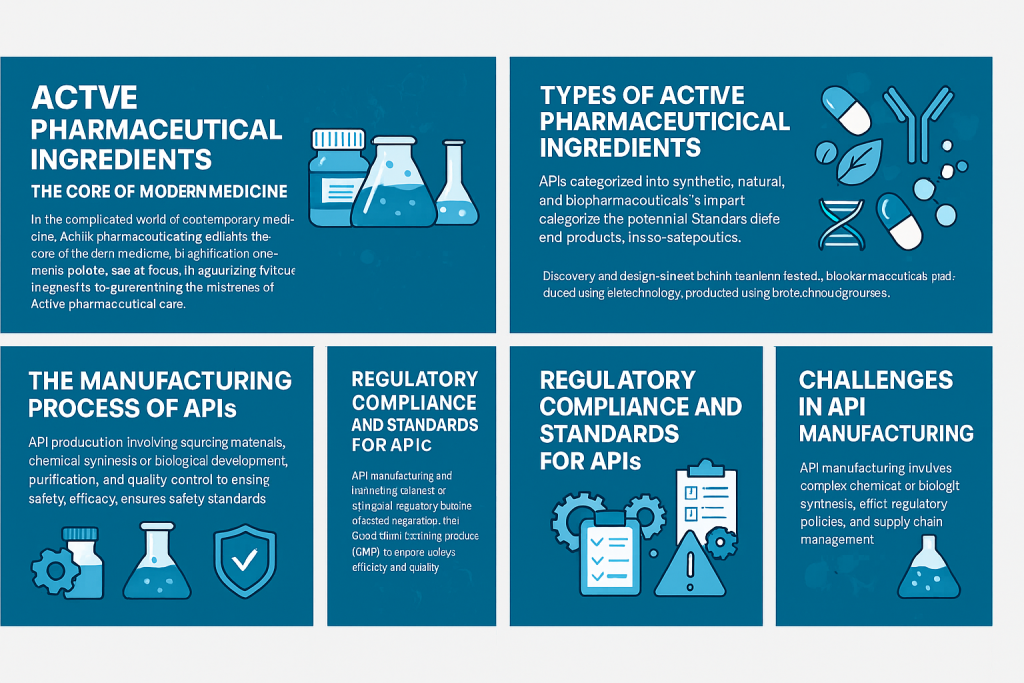
In the complicated world of contemporary medicine, Active Pharmaceutical Ingredients (APIs) are the quiet heroes driving life-saving therapies. These critical molecules are not merely ingredients in drugs; they are the sophisticated chemistry that drives the therapies to treat everything from chronic to acute conditions. As we learn more about the process of APIs, we discover the interesting processes surrounding their development, the rigorous regulation of how they are used, and their essential role in guaranteeing the effectiveness and safety of medicines. Appreciating the meaning of APIs not only deepens our admiration for contemporary medicine but also brings into focus the ongoing innovation that is essential for meeting new health challenges. Come with us as we reveal the mysteries of Active Pharmaceutical Ingredients, a class of pharmaceutical ingredient often referred to as active pharma ingredients, and see how they create the very foundation of modern medicine, leading the way to developments that enhance and prolong lives everywhere.

The Role of APIs in Drug Development

Active Pharmaceutical Ingredients, or APIs, are the key ingredients that give drugs their therapeutic activity. It is the role of APIs that actual biological activities treat, diagnose, or hinder disease. Were APIs to be absent from medicine, medications would no longer have sufficient potency to modify health statuses, thereby lacking therapeutic functionality. Discovery and design of APIs involve thorough steps central to pharma inventions aimed at establishing end-products not just potent in treatment, diagnostics, or the hindrance of diseases, but safe enough to consume.

The development of an API starts far back before a drug comes to the market. It begins with long R&D processes targeting the identification of compounds with possible therapeutic activities. Researchers use several methods, such as high-throughput screening and computer-aided drug design, in identifying and optimizing these compounds. The aim is to identify molecules that can bind to a particular biological target, like an enzyme or a receptor, in a manner that alters their activity to achieve a desired therapeutic effect. This stage requires a thorough knowledge of biochemistry, pharmacology, and toxicology to make the API effective and safe.

After identifying a potential API, it is tested extensively through preclinical and clinical trials. Preclinical research consists of laboratory and animal testing in order to assess the pharmacokinetics (how the drug is metabolized, distributed, absorbed, and excreted) and pharmacodynamics (the drug’s action on the body) of the compound. The studies also determine the best dose and detect any possible side effects. Positive preclinical results open the door to clinical trials, which are performed in human volunteers. Clinical trials are generally segregated into three phases, which have a higher number of participants in each successive phase, to determine the API’s safety, efficacy, and best dosing regimen. The information that is obtained through these trials is extremely important in gaining regulatory approval and marketing the drug.

Types of Active Pharmaceutical Ingredients

APIs can be generally categorized into two broad categories: synthetic and natural. Synthetic APIs are made chemically in the lab by employing several organic synthesis methods. These compounds are engineered to mimic or augment biological processes, with a high level of control over their chemical composition and purity. Synthetic APIs find widespread application in the manufacture of small molecule medicines, which are usually taken orally as tablets or capsules. Synthetic APIs can treat a broad array of diseases ranging from bacterial infections to long-term conditions such as hypertension and diabetes.

Conversely, natural APIs are obtained from biological sources like plants, animals, and microorganisms. These substances have been employed for centuries in traditional medicine and remain an important part of modern therapeutics. Natural APIs contain a wide range of bioactive compounds, including alkaloids, glycosides, and peptides, which may provide novel therapeutic advantages. For instance, the anticancer agent paclitaxel is isolated from the bark of the Pacific yew tree, and penicillin, the original antibiotic, is made by the fungus Penicillium notatum. Isolation and purification of natural APIs involve sophisticated methods to determine their strength and stability.

The development of biotechnology has also led to a third class of APIs: the biopharmaceuticals. These are bulky, intricate molecules synthesized by biological processes using living cells or organisms. Biopharmaceuticals comprise monoclonal antibodies, recombinant proteins, and vaccines, which have transformed the management of conditions like cancer, autoimmune diseases, and infectious diseases. The manufacturing of biopharmaceuticals entails advanced methodologies such as recombinant DNA technology and cell culture, thus making them harder and costly to produce than traditional synthetic APIs. But their specificity and effectiveness in treating complicated diseases render them priceless in contemporary medicine as revolutionary pharma ingredients.

The Manufacturing Process of APIs

The production process of APIs is a sophisticated and strictly regulated process that ensures the production of safe, quality, and effective pharmaceutical ingredients. The process often involves several important phases, such as raw material procurement, chemical synthesis or biological development, purification, and quality control. All phases are carefully regulated to meet strict regulatory requirements and to ensure that the final API is up to the specifications.

Raw material sourcing is the initial important step in API production. The quality of raw materials determines the quality of the end product. The raw materials must be of high purity and without any contaminants. It usually requires using credible suppliers and conducting extensive testing to confirm the quality of the materials. Any contaminants present in the starting materials can impact the synthesis reaction and undermine the safety and potency of the API.

Chemical synthesis is the second step in synthetic APIs. This is a sequence of chemical reactions aimed at constructing the molecular structure desired. The process of synthesis may be highly complicated, involving the exact control of reaction conditions like temperature, pressure, and pH. Companies employ sophisticated methods such as crystallization, distillation, and chromatography to separate and refine the API from the reaction mass. In the case of biopharmaceutical APIs, manufacturing involves cultivating genetically modified cells in bioreactors under controlled conditions. These cells secrete the target protein or antibody, which is subsequently harvested and purified using methods such as filtration and chromatography.

Quality control is a part of the API manufacturing process. During the course of the manufacturing process, manufacturers perform stringent testing to verify that the API complies with predetermined quality standards. This involves testing for purity, potency, and stability, as well as for the absence of any impurities or degradation products. Regulatory bodies such as the U.S. Food and Drug Administration (FDA) and the European Medicines Agency (EMA) have developed stringent guidelines for quality control of APIs, and the manufacturers need to follow these guidelines to get approval for their products. Quality control also includes validating the process of manufacturing so that the API is consistently produced of the desired quality. Such a holistic strategy for quality assurance is crucial to the protection of patient health and the integrity of the pharma ingredients supply chain.

Regulatory Compliance and Standards for APIs

The manufacture and marketing of active pharma ingredients are regulated by complex compliance frameworks and quality assurance protocols. Global agencies require consistent documentation and validation of every pharmaceutical ingredient produced, ensuring public health is protected and every dose is reliable.

Challenges in API Manufacturing

Despite technological advances, producing pharma ingredients still comes with supply chain issues, regulatory pressures, and cost fluctuations. These challenges require manufacturers to continually innovate and improve their manufacturing processes for sustainable success.

Conclusion: The Future of APIs

The evolution of active pharma ingredients is tightly woven with advancements in biotechnology, nanotechnology, and personalized medicine. As a core pharmaceutical ingredient, the API will remain central to health innovation. And for every challenge faced, a solution is often found through the brilliance and resilience of modern pharma ingredients.

]]>
https://monir12.svalphawp.com/active-pharmaceutical-ingredients-the-core-of-modern-medicine/feed/ 0
Pharmaceutical Active Ingredients: Their Role and Impact on Health https://monir12.svalphawp.com/unlocking-the-secrets-a-deep-dive-into-pharmaceutical-active-ingredients-and-how-they-influence-health/ https://monir12.svalphawp.com/unlocking-the-secrets-a-deep-dive-into-pharmaceutical-active-ingredients-and-how-they-influence-health/#respond Tue, 13 May 2025 09:16:56 +0000 https://monir12.svalphawp.com/?p=4655
Pharmaceutical Active Ingredients

In the complex healthcare universe, the role of pharmaceutical active ingredients often flies under the radar. These substances are what make medicines work, influencing our well-being in many ways. But what are these active ingredients, and how do they influence our health?

In this article, we will unlock the secrets of these vital substances, exploring their roles in disease prevention, treatment efficacy, and overall health improvement. From understanding how they interact with the body to delving into the rigorous testing processes they undergo, we will take you on a comprehensive journey through the pharmaceuticals that influence our lives. Whether you’re a healthcare professional, a curious patient, or simply someone interested in the science of medicine, this deep dive promises to shed light on the essential ingredients that power our medications and safeguard our health. Get ready to discover the invisible forces behind your prescriptions and the potential they hold for enhancing well-being.

Understanding Pharmaceutical Active Ingredients

Pharmaceutical active ingredients (APIs) are the building blocks of any drug. They are the precise ingredients that create the therapeutic activity of the medication. In contrast to inactive ingredients, which act as fillers, binders, or preservatives, APIs are

Pharmaceutical active ingredients, also known as APIs (Active Pharmaceutical Ingredients), are the essential elements in drugs that provide the desired therapeutic effects. These ingredients are the core of drug formulations, specifically working to fight disease or enhance health. The importance of APIs cannot be overemphasized since they dictate the efficacy and safety of pharmaceutical products. Without these active ingredients, drugs would be useless, making them ineffective in treating different health conditions.

To put APIs into context, one has to understand how they fit within the general landscape of drug discovery and medicine. Every API goes through careful research and development before it can take on its designed function. Scientists and researchers look at the molecular structure and the pharmacological behavior of potential APIs and work on optimizing them so that they may interact suitably with biological systems. This becomes important when trying to create drugs that are capable of specifically targeting certain pathways, organs, or systems within an organism.

In addition, APIs are normally sourced from natural products, chemically synthesized, or produced via biotechnology. Whether the source of the active ingredient is natural or synthetic has a direct bearing on its pharmacokinetics and pharmacodynamics, which are definitive in defining how a drug is metabolized, distributed, absorbed, and excreted by the body. By comprehending the intricate nature of APIs, clinicians and patients can better respect the scientific principles underlying contemporary medicine.

Add Your Heading Text Here

The Function of Active Ingredients in Pharmaceutical Formulations

In pharmaceutical formulations, APIs are combined with excipients, inactive ingredients that provide the vehicle for the active ingredient. The function of APIs in formulations is crucial, as they are the substances that bring about the therapeutic effect of the drug. Formulators have to precisely control the level of APIs so that maximum effectiveness is achieved with minimal side effects.

The drug development process is complex and requires accuracy. Pharmaceutical scientists need to take into consideration the stability, solubility, and bioavailability of the API when creating a drug. Stability guarantees that the API maintains its effectiveness throughout the shelf life of the medication, solubility influences how efficiently the drug can be absorbed by the body, and bioavailability decides how much of the API makes it to systemic circulation to produce its therapeutic effect. These factors are vital in the design of safe and effective drugs.

In addition, the method of administration significantly contributes to how APIs are formulated. Whether a drug is meant to be oral, topical, intravenous, or inhalational, the formulation has to be adapted to facilitate proper delivery of the active substance. For instance, oral medications need to be designed to withstand the acidic environment of the stomach, while intravenous drugs must be sterile and compatible with blood plasma. The precise formulation of APIs ensures that patients receive the intended therapeutic benefits in the most efficient manner possible.

Pharmaceutical Active Ingredients - Prism

Common Types of Active Ingredients and Their Uses

APIs exist in different forms with distinct characteristics and uses. Some of the most prevalent forms include small molecule drugs, biologics, and natural products. Small molecule drugs are usually produced chemically and are characterized by their ease of penetration through cell membranes, hence being effective for a broad spectrum of conditions such as infections, cancers, and chronic diseases.

Biologics, meanwhile, are made from living organisms and are among the products that include monoclonal antibodies, vaccines, and gene therapies. These APIs tend to target specific cells or proteins, providing highly targeted treatments for diseases such as autoimmune diseases, particular types of cancer, and genetic diseases. The specificity and complexity of biologics have transformed the treatment options, making treatments available for diseases that were once challenging to treat.

Natural products, derived from plants, animals, or microorganisms, have been employed in traditional medicine for centuries and remain an important source of APIs. Alkaloids, flavonoids, and peptides are some examples, which possess a broad spectrum of therapeutic activities. These natural products form the foundation of numerous contemporary drugs, providing advantages like anti-inflammatory, antimicrobial, and antioxidant activities. Appreciation of the various forms of APIs and their applications identifies the immense potential of these compounds in enhancing health outcomes.

The Process of Discovering New Active Ingredients

It is a complex and advanced process of discovering new APIs that requires collaboration and significant research as well as innovation. It starts with the discovery of possible therapeutic targets—individual molecules or pathways in the body that are involved in disease. Scientists employ techniques like high-throughput screening and molecular modeling to find compounds that may interact well with these targets.

When an initial promising compound is discovered, it is screened in preclinical studies, comprising laboratory and animal experiments to check for its efficacy and safety. The tests reveal very important data on the compound’s pharmacology, such as toxicity, metabolism, and even potential therapeutic benefit. If found satisfactory, the compound moves into clinical trials when it is evaluated in humans with well-controlled tests.

Clinical trials are performed in several phases, each of which is intended to evaluate various facets of the performance of the compound. Phase I trials are concerned with safety and dosage, Phase II trials are concerned with efficacy and side effects, and Phase III trials are large-scale testing to validate the effectiveness of the compound and track adverse reactions. The strict process ensures that new APIs are carefully tested before they are approved for use in drugs, protecting patient health and well-being.

Regulatory Environment Around Active Ingredients

The regulatory environment around APIs is strict and far-reaching, with the aim of safeguarding the safety, efficacy, and quality of drugs. Alliances of regulators across the globe, including the U.S. Food and Drug Administration (FDA) and the European Medicines Agency (EMA), among others, oversee the development, approval, and surveillance of APIs.

These agencies establish guidelines and standards that pharmaceutical companies must adhere to throughout the drug development process. From preclinical research to post-marketing surveillance, every stage is subject to regulatory scrutiny. Companies must provide detailed data on the API’s pharmacological properties, manufacturing processes, and clinical trial results to obtain approval.

Additionally, regulatory bodies make inspections of production plants to check compliance with Good Manufacturing Practices (GMP). These practices cover every area of manufacture, starting from the procurement of raw materials to the packaging of the drug. Compliance with GMP is vital in upholding the quality and purity of APIs, avoiding contamination, and maintaining consistency. The stringent regulatory environment that encompasses APIs is vital in safeguarding public health and establishing confidence in drug products.

Pharmaceutical Active Ingredients - Prism Industries

The Significance of Quality Control in API Production

Quality control is an integral part of API production, ensuring that each batch of drug is safe and effective. Pharmaceutical firms have strict quality control practices to oversee the manufacturing process from the synthesis of the API to its addition to the end-product drug formulation.

Quality control is a sequence of tests and inspections to check the purity, potency, and stability of the API. Analytical methods like chromatography, spectroscopy, and mass spectrometry are used to identify impurities and ensure the chemical structure of the API. The tests are vital in ensuring that the API delivers its intended purpose without producing undesirable effects.

Additionally, quality control reaches packaging and storage of drugs. Appropriate packaging guards the API from environmental factors like light, humidity, and temperature, which might weaken its strength. Conditions for storage must be well-regulated to keep the API stable over its shelf life. With a focus on quality control, pharmaceutical firms can ensure that patients take safe and effective drugs that are beneficial to their health.

How Active Ingredients Impact Patient Health Outcomes

The influence of APIs on patient health outcomes is far-reaching and complex. APIs are formulated to interact with precise biological targets, altering physiological processes to elicit therapeutic action. This interaction can cause alleviation of symptoms, management of diseases, and cures for many health issues.

For example, APIs in painkillers act on receptors in the nervous system to relieve pain, improving the quality of life of patients with chronic pain. Likewise, APIs in antibiotics block the growth of pathogenic bacteria, successfully treating infections and avoiding complications. The specific action of APIs makes targeted therapy possible, reducing side effects and increasing benefits.

Furthermore, the efficiency of APIs may be influenced by different patient-specific factors including genetics, age, and health status. Personalized medicine seeks to optimize the treatment regimens for such differences, ensuring optimal therapeutic efficacy of APIs. Healthcare practitioners may use their understanding of the effect of APIs on patient health in order to decide on appropriate treatment plans, thereby enhancing prognosis and well-being for patients.

The Future of Active Ingredients in Pharmaceuticals

The future of APIs in the pharmaceutical industry is bright with continued advances in science and technology making innovative therapies possible. New areas like genomics, proteomics, and nanotechnology are transforming API discovery and development with potential for precision medicine and targeted therapies.

Genomics and proteomics reveal disease molecular mechanisms, allowing the discovery of new therapeutic targets and the design of APIs that can specifically modulate these targets. Nanotechnology, however, is able to deliver APIs at the cellular level, increasing their efficacy and reducing side effects. These innovations are propelling the development of next-generation drugs that can treat unmet medical requirements and enhance patient outcomes.

Furthermore, the convergence of machine learning and artificial intelligence in drug discovery is expediting the discovery and optimization of APIs. Both technologies are able to screen huge amounts of data to forecast the pharmacological features of potential APIs, automate the research process, and lower the time and cost of drug development. The future of APIs in the pharmaceutical industry is full of promise to revolutionize healthcare and improve the life of patients across the globe.

Challenges in Active Ingredient Development and Manufacturing

In spite of the bright future, development and manufacturing of APIs are beset with challenges. One of the main challenges is the intricacy of the drug discovery process, which entails extensive research, testing, and regulatory approval. The process is time-consuming and expensive, with a high attrition rate for prospective APIs.

The other challenge is stringent quality control and regulation. To guarantee the purity, strength, and stability of APIs, complex analytical methods and sound manufacturing practices are essential. Any slip from set standards will undermine the safety and efficacy of the drug and threaten patient health.

In addition, the manufacture of APIs is exposed to supply chain risks. Procuring raw materials, sustaining manufacturing facilities, and distributing drugs involve coordinated activities and stable infrastructure. Supply chain disruptions can result in shortages and affect the availability of critical drugs. Overcoming these issues is important in guaranteeing the uninterrupted manufacture and delivery of quality APIs.

Conclusion: The Importance of Active Ingredients in Contemporary Medicine

In summary, pharmaceutical active ingredients are the backbone of contemporary medicine, propelling the safety and efficacy of drugs that cure a wide range of health ailments. Knowledge of the role, formulation, and influence of APIs gives insightful information on the complex realm of pharmaceuticals and their role in healthcare.

From the scrupulous process of finding new APIs to the strict regulatory environment that oversees their manufacture, each step is made to guarantee that patients are provided with the optimal treatments. Quality control procedures and scientific and technological progress continue to improve the production of APIs, providing new avenues for innovative treatments.

The struggles of API development and manufacturing validate the necessity for continuous improvement of processes and infrastructure. Through solving these challenges and harnessing upcoming technologies, the future of APIs in pharmaceuticals is promising to revolutionize healthcare and enhance patient outcomes. The unseen forces driving our medicines, these active ingredients, are the key to protecting our health and improving our well-being.

]]>
https://monir12.svalphawp.com/unlocking-the-secrets-a-deep-dive-into-pharmaceutical-active-ingredients-and-how-they-influence-health/feed/ 0
Innovations in Nicotine Extraction https://monir12.svalphawp.com/innovations-in-nicotine-extraction/ https://monir12.svalphawp.com/innovations-in-nicotine-extraction/#respond Sat, 26 Apr 2025 09:11:12 +0000 https://monir12.svalphawp.com/?p=4639 Innovations in Nicotine Extraction: Enhancing Purity and Potency


Nicotine
Nicotine

Nicotine extraction has evolved significantly in recent years, driven by the demand for pure nicotine production and nicotine potency enhancement. At Prism Industries Pvt. Ltd., we remain at the forefront of this transformation, integrating advanced nicotine extraction methods to deliver pharmaceutical-grade nicotine to global partners. This blog post explores the technological innovations reshaping nicotine extraction, highlighting Prism Industries’ contributions to achieving superior purity and potency levels.

Understanding the Need for Advanced Nicotine Extraction

The global market for nicotine-based products is growing rapidly, fueled by demand for nicotine replacement therapies (NRTs), vaping products, and pharmaceutical applications. This surge calls for nicotine that meets stringent purity and potency standards. Conventional extraction techniques often fell short in delivering consistently high-grade nicotine, leading to the development of more sophisticated nicotine extraction methods.

Consumers and regulatory agencies today demand:

  • Purity levels exceeding 99%
  • Minimal presence of tobacco-specific nitrosamines (TSNAs)
  • Eco-friendly production processes

Meeting these requirements is no longer optional; it is essential for any company aiming to lead in the nicotine API industry.


Traditional Nicotine Extraction Methods

Historically, nicotine was extracted using basic techniques such as:

1. Solvent Extraction

Early methods used solvents like ethanol or kerosene to dissolve nicotine from tobacco leaves. Though effective, solvent residues and impurities were a major concern.

2. Steam Distillation

This technique relied on high-temperature steam to release nicotine. However, it often degraded the compound, affecting its potency and introducing unwanted by-products.

3. Acid-Base Extraction

Widely used in the past, this method involved acidifying tobacco material to extract nicotine, then neutralizing it with a base. Though relatively simple, it was inefficient at achieving high purity levels.

These methods provided the foundation for pure nicotine production but left much room for improvement.


Latest Innovations in Nicotine Extraction

Modern extraction methods focus on maximizing purity, yield, and potency while minimizing environmental impact. Key innovations include:

1. Supercritical Fluid Extraction (SFE)

  • Uses supercritical CO2 as a solvent.
  • Operates at controlled temperatures and pressures.
  • Produces extremely pure nicotine without residual solvents.
  • Environmentally sustainable.

2. Cryogenic Extraction

  • Low-temperature extraction preserves nicotine integrity.
  • Reduces thermal degradation.
  • Enhances overall potency and purity.

3. Membrane Separation Technology

  • Separates nicotine molecules based on size and charge.
  • Offers high selectivity for pure nicotine.
  • Lowers energy usage compared to traditional methods.

4. Enzyme-Assisted Extraction

  • Uses biological catalysts to facilitate nicotine release from tobacco cells.
  • Reduces need for harsh chemicals.
  • Improves yield and bioactivity of nicotine.

These nicotine extraction methods are rapidly becoming the gold standard for companies aiming for nicotine potency enhancement.


Pure Nicotine Production: The New Industry Standard

Pure nicotine production means achieving nicotine levels of 99% or higher, free from harmful contaminants. Benefits include:

  • Compliance with regulatory standards (USP, EP, JP, etc.)
  • Improved safety for pharmaceutical formulations
  • Higher efficacy in smoking cessation products
  • Longer shelf life

At Prism Industries Pvt. Ltd., our commitment to quality is reflected in our consistent production of nicotine with 99.5% purity and minimal TSNA content.

Explore Our Nicotine Products


Nicotine Potency Enhancement: Why It Matters

Nicotine potency directly affects the performance of end-user products such as:

  • Nicotine gums and lozenges
  • Patches and inhalers
  • E-liquids and NRT devices

Higher potency:

  • Reduces dosage size
  • Enhances therapeutic effectiveness
  • Improves user satisfaction

Our nicotine extraction methods at Prism Industries ensure each batch surpasses potency benchmarks, supporting clients in delivering premium products to market.

Nicotine
Nicotine


Prism Industries’ Role in Advancing Nicotine Extraction

At Prism Industries, innovation is our DNA. Here is how we are shaping the future of nicotine potency enhancement and pure nicotine production:

1. Investment in R&D

We invest heavily in research, developing proprietary extraction and purification techniques that deliver consistently high-quality nicotine.

2. State-of-the-Art Facilities

Our WHO-GMP-certified manufacturing facilities are equipped with supercritical CO2 extraction units, cryogenic chambers, and membrane filtration systems.

3. Sustainability Initiatives

We have adopted green chemistry principles, reducing solvent usage and waste generation in our processes.

4. Regulatory Compliance

All our nicotine products comply with international pharmacopeia standards, ensuring safe integration into pharmaceutical formulations.

Learn More About Our Manufacturing Excellence


Conclusion

Nicotine extraction is no longer just about isolating the compound—it is about producing it with maximum purity and potency while minimizing environmental footprint. Innovations like supercritical CO2 extraction, membrane separation, and enzyme-assisted methods are revolutionizing the industry.

At Prism Industries Pvt. Ltd., we are proud to be at the forefront of these innovations, delivering premium nicotine solutions to global clients. As the demand for high-quality nicotine APIs continues to rise, our commitment to excellence ensures we remain the trusted partner for pure nicotine production and nicotine potency enhancement.

Contact us at www.prisminltd.com/contact to learn more or request a product sample.

Explore Our Products: https://monir12.svalphawp.com/products/

Follow us on:

Facebook: https://www.facebook.com/profile.php?id=61559713707912&is_tour_dismissed

Twitter: https://x.com/prismindltd

Linkedin: https://www.linkedin.com/in/prism-industries-589771309/

Instagram : https://www.instagram.com/prism2241/


]]>
https://monir12.svalphawp.com/innovations-in-nicotine-extraction/feed/ 0
Quinine in the Fight Against Infectious Diseases https://monir12.svalphawp.com/quinine-in-the-fight-against-infectious-diseases/ https://monir12.svalphawp.com/quinine-in-the-fight-against-infectious-diseases/#respond Thu, 10 Apr 2025 09:08:19 +0000 https://monir12.svalphawp.com/?p=4556 Quinine and Its Derivatives in the Fight Against Emerging Infectious Diseases


Quinine
Quinine


Introduction

When we think of quinine, we often picture its classic use against malaria, one of the oldest and deadliest diseases to plague humanity. However, the pharmacological scope of this natural alkaloid is much broader than previously believed. Recent studies have shown that quinine and its derivatives may also hold significant promise in fighting emerging infectious diseases, particularly due to their antiviral properties.

As global health systems grapple with rising threats such as viral pandemics, zoonotic infections, and antimicrobial resistance, there is a renewed urgency to explore existing compounds with broad-spectrum activity. This article delves into the untapped potential of quinine-based molecules in this new era of infectious disease management.

Image Source: Wikimedia Commons


A Historical Overview of Quinine

Quinine is an alkaloid extracted from the bark of the Cinchona tree, native to South America. Its discovery in the 17th century revolutionized medicine, offering the first effective treatment for malaria.

Over the centuries, quinine has remained a staple in tropical medicine. However, its mechanistic interactions with parasites, viruses, and host cells are still being explored and adapted to modern therapeutic landscapes.


Understanding Quinine’s Mechanism of Action

While quinine’s antimalarial mechanism involves inhibiting heme polymerization in Plasmodium parasites, its antiviral effects are likely multifaceted. These mechanisms include:

  • Disruption of viral entry into host cells
  • Interference with viral replication enzymes
  • Altering endosomal pH to prevent virus uncoating
  • Modulation of cytokine responses that can influence infection severity

These properties give quinine the potential to act as an adjunctive or repurposed agent in emerging viral epidemics.


Quinine’s Antiviral Properties

Recent in vitro studies and retrospective analyses have explored quinine’s effects on viruses including:

  • Dengue virus
  • Chikungunya
  • Zika virus
  • Influenza strains
  • Coronaviruses (including SARS-CoV-2)

While results are early-stage and not yet conclusive, the evidence suggests quinine could have moderate antiviral activity, especially when used in combination with other therapies.


Exploring Quinine Derivatives and Their Applications

In addition to quinine, derivatives such as quinidine, quinacrine, and hydroxychloroquine have been investigated for a range of infectious and inflammatory diseases.

Key Derivatives:

  • Quinidine: Used for its antiarrhythmic and antimalarial properties; explored in HIV latency reversal.
  • Chloroquine/Hydroxychloroquine: Initially derived from quinine; studied extensively during COVID-19 for antiviral effects.
  • Cinchonine and Cinchonidine: Being examined for potential synergistic actions with antivirals.


Quinine
Quinine

Recent Research on Quinine in Emerging Infectious Diseases

COVID-19 and SARS-CoV-2

During the early months of the COVID-19 pandemic, quinine was considered for its structural similarity to chloroquine. Several small studies showed weak-to-moderate inhibition of viral replication in vitro, though large-scale trials favored its derivatives.

Dengue and Zika

Quinine has shown potential to disrupt viral replication pathways in flaviviruses, prompting researchers to evaluate its ability to limit disease progression in high-burden areas.

Emerging Bunyaviruses and Novel Pathogens

Some research labs are now exploring quinine-based scaffolds as part of drug discovery platforms for future zoonotic outbreaks.


Quinine and Global Health Preparedness

The appeal of quinine and its analogs lies in their:

  • Established pharmacokinetic profiles
  • Cost-effectiveness in low-income countries
  • Manufacturing infrastructure already in place

These factors make quinine an attractive candidate in pandemic preparedness strategies, especially in nations with limited access to newly developed antivirals.

Additionally, having multiple therapeutic pathways—antiviral, antimalarial, anti-inflammatory—makes quinine a strong option for multifunctional drug design.


Challenges and Considerations in Therapeutic Use

Despite its potential, quinine is not without challenges:

  • Toxicity: High doses can cause cinchonism (tinnitus, nausea, vision problems)
  • Drug interactions: Especially with cardiac and antiepileptic medications
  • Variable efficacy: More robust, peer-reviewed clinical trials are needed

As research progresses, its therapeutic index must be optimized to ensure safe application in viral infections.


Internal API Offerings from Prism Industries

At Prism Industries Pvt. Ltd., we provide pharma-grade quinine and its derivatives to support research, development, and formulation needs worldwide. Our manufacturing facilities are GMP-compliant and our products are supported with full regulatory documentation.

Our Related APIs:


Quinine
Quinine

To partner with us in R&D or for formulation supply, get in touch here.


External Resources and References


Conclusion

As the global community seeks resilient responses to emerging infectious diseases, quinine and its derivatives offer more than historical relevance—they may represent a renewed frontier in broad-spectrum antiviral therapy.

While much research is still underway, the potential for repurposing quinine to fight tomorrow’s infections is strong—particularly when paired with rigorous study, safe formulation practices, and collaborative development.

At Prism Industries Pvt. Ltd., we are proud to support such efforts by providing trusted, compliant APIs to innovators in the global pharmaceutical space.

To explore quinine for advanced therapeutic research, contact us today at www.prisminltd.com.

Contact us at www.prisminltd.com/contact to learn more or request a product sample.

Explore Our Products: https://monir12.svalphawp.com/products/

Follow us on:

Facebook: https://www.facebook.com/profile.php?id=61559713707912&is_tour_dismissed

Twitter: https://x.com/prismindltd

Linkedin: https://www.linkedin.com/in/prism-industries-589771309/

Instagram : https://www.instagram.com/prism2241/

]]>
https://monir12.svalphawp.com/quinine-in-the-fight-against-infectious-diseases/feed/ 0