
Cinchonine is a natural Alkaloid compound found in the bark of the cinchona tree. It has been valued for its healing properties for a long time. This article will explore its chemical makeup, how it’s extracted, and its historical importance. We’ll also look at its health benefits and how it’s used in medicine today.
Key Takeaways
- Cinchonine is a natural alkaloid derived from the cinchona bark, known for its diverse therapeutic applications.
- The compound’s chemical structure and unique properties allow for effective extraction and utilization in various medical and natural health contexts.
- Cinchonine has a long history as an antimalarial treatment, contributing to its significance in the development of modern medicine.
- Key health benefits of cinchonine include antimalarial, anti-inflammatory, and immune system support properties.
- Understanding the safety considerations and potential side effects of cinchonine is crucial for its responsible and effective use.

Understanding Cinchonine and Its Natural Alkaloid Sources
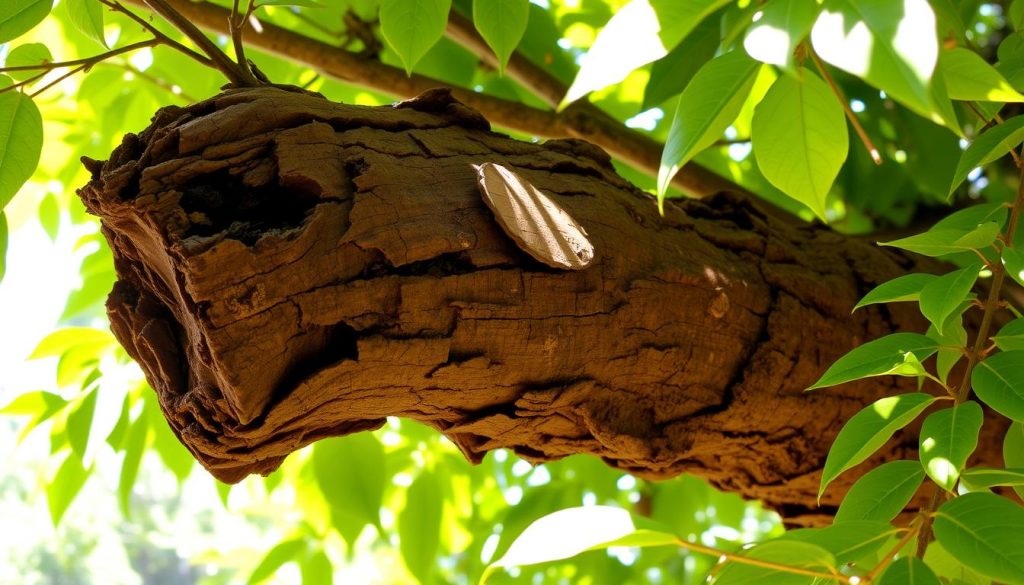
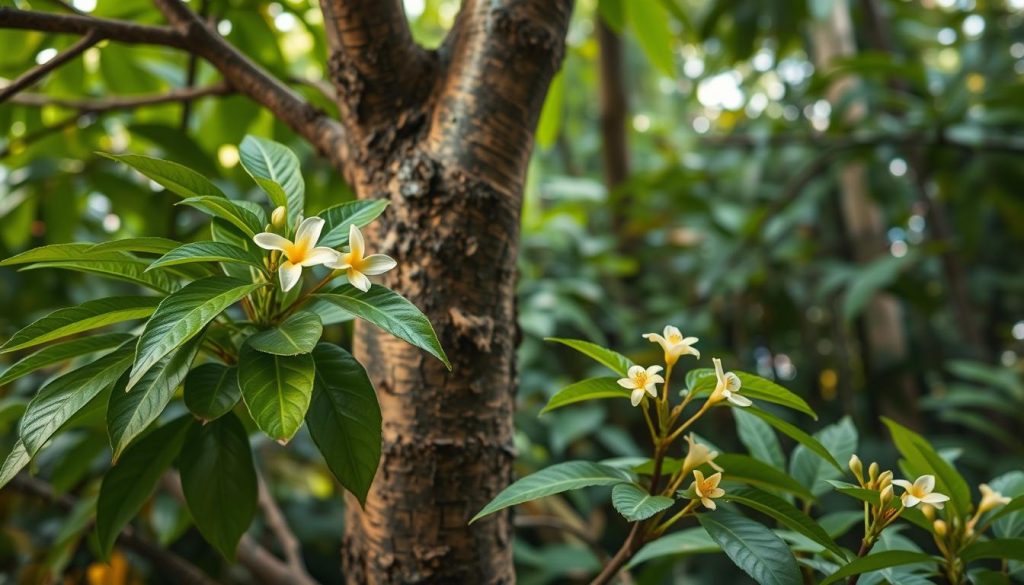
Cinchonine is a natural compound found in the bark of cinchona trees. These trees grow in the Andes mountains of South America. It has been used in traditional medicine for a long time and is still studied for its health benefits
Chemical Structure and Properties
Cinchonine is a type of quinoline alkaloid. It is similar to quinine, which is extracted from the same cinchona bark. Both have the same basic structure and work in similar ways in the body. At room temperature, cinchonine is a solid and tastes slightly bitter, like many natural alkaloids.
Extraction Methods from Cinchona Bark
To get cinchonine, the bark of cinchona trees is ground and then extracted. Quinine is also extracted from the same bark, making it a valuable part of the process.
Related Quinine Alkaloids
The cinchona bark also contains other alkaloids like cinchonidine and quinidine. These compounds work in similar ways and have the same uses as cinchonine. Together, they make the cinchona tree very valuable for medicine.
“Cinchonine and its related alkaloids have been used for centuries in traditional medicine, and their therapeutic potential continues to be explored in modern research.”
Historical Significance as an Antimalarial Treatment
Cinchonine has been key in fighting malaria for centuries. It comes from the Cinchona tree bark. This natural compound was first used in the early 17th century, long before man-made drugs.
The Quechua people of Peru first used Cinchona bark for fevers. In the 1630s, Europeans learned about its benefits. This led to quinine’s widespread use against malaria in tropical areas.
“Cinchonine and its related quinine alkaloids have been instrumental in the fight against malaria, saving countless lives throughout history.”
Cinchonine’s role in fighting malaria is huge. Before synthetic drugs, quinine and cinchonine were the main treatments. These natural compounds have greatly helped in tropical medicine.
Today, cinchonine’s history reminds us of natural remedies’ value. It has made a lasting impact on medicine and public health. Its work in malaria treatment has inspired new antimalarial therapies.
Key Health Benefits of Cinchonine
Cinchonine is known for fighting malaria, but it has more health benefits. This natural compound from the Cinchona tree is getting more attention from scientists. They are studying its uses for treating various health issues.
Antimalarial Properties
Cinchonine is famous for fighting malaria. It’s similar to quinine and has been used for centuries. Research shows it works against many malaria types, helping fight this disease worldwide.
Anti-inflammatory Effects
Cinchonine also shows promise in reducing inflammation. It could help with arthritis, chronic pain, and even brain diseases. By affecting inflammation, cinchonine might offer a natural way to ease symptoms.
Immune System Support
Research suggests cinchonine boosts the immune system. It might help fight off infections and other dangers. This could make cinchonine a great supplement for keeping the immune system strong.
More studies on cinchonine are needed. But, its many benefits are exciting. They open up new ways to use natural health solutions.
Key Health Benefits of Cinchonine
Cinchonine, a natural compound from the Cinchona tree bark, is known for fighting malaria. It’s also being studied for treating other health issues. This shows its wide range of uses in today’s medicine.
One key use of cinchonine is fighting antimalarial diseases. It’s been a key treatment for malaria, a deadly disease caused by Plasmodium parasites. Scientists are looking into how it can help in areas where malaria is still a big problem.
Cinchonine also has anti-inflammatory effects. This makes it useful for conditions like arthritis, asthma, and some skin problems. Researchers are working to understand how it can help reduce inflammation and develop new treatments.
Recent studies also show cinchonine might boost the immune system. It could help the body fight off infections and diseases. More research is needed to fully grasp its effects on the immune system and its uses in medicine.
As scientists learn more about cinchonine, it’s becoming more important in healthcare. It’s used to fight malaria and is being studied for treating inflammation and boosting the immune system. Its cinchonine medicinal uses and cinchonine natural remedy potential are being explored and confirmed by researchers.
Safety Considerations and Potential Side Effects
Cinchonine has many health benefits, but it’s important to know its safety and side effects. It’s key to follow the right dosage, be aware of drug interactions, and consider who should use it. This is crucial for a safe and effective wellness routine.
Recommended Dosage Guidelines
Cinchonine is usually safe, but sticking to the recommended dosage is important. Experts say to take 100-300 mg daily, with meals to help absorption and avoid stomach issues. If you’re new to cinchonine, start with 100 mg and slowly increase as needed, watching how your body reacts.
Drug Interactions and Contraindications
- Cinchonine can affect certain medications like blood thinners, antidepressants, and heart drugs. Always talk to a doctor before taking cinchonine with other medicines.
- People with liver or kidney problems should be careful and talk to a doctor before using cinchonine.
Pregnancy and Nursing Considerations
Pregnant and nursing women should talk to their doctors before using cinchonine. The effects on the baby or baby’s health are not fully known. It’s best to avoid cinchonine during these important times until more research is done.
“The safety and potential side effects of cinchonine should be carefully considered before incorporating it into one’s health routine.”
Conclusion
Cinchonine has a long history as a natural cure for malaria. Today, it’s used in many ways, showing its lasting value. It helps with malaria, reduces inflammation, and boosts the immune system.
More research on cinchonine could lead to big changes in health care. Scientists are learning more about how it works. This could help fight many diseases and conditions.
Using cinchonine natural remedy and cinchonine benefits can improve our health. It’s part of a natural approach to health care. As we learn more, we’ll find new ways to use cinchonine, making health care better for everyone.
Stay connected with us for more insights and updates on natural remedies! Follow us on Facebook, LinkedIn, Twitter, and Instagram for the latest health tips and news
For more information about our services and to read reviews from our customers, visit our Google My Business page here.
FAQ’s
What is cinchonine and where does it come from?
Cinchonine is a natural compound found in cinchona tree bark. It’s part of a group of quinine alkaloids from the cinchona plant. This plant grows in the Andes of South America.
What are the health benefits of cinchonine?
Cinchonine fights malaria, a disease it was once used to treat. It also has anti-inflammatory properties and may boost the immune system. Scientists are studying it for more uses.
What are the potential side effects and safety considerations of cinchonine?
Cinchonine is usually safe when used correctly. But, it can cause nausea, vomiting, and hearing issues at high doses. Always follow the recommended dosage and talk to a doctor, especially if you’re pregnant or have health problems.
How has cinchonine been used historically in medicine?
Cinchonine has been used to fight malaria since the 17th century. The cinchona bark was first used as a malaria treatment. It was key in treating malaria before synthetic drugs were made.
What are the current medical and natural health applications of cinchonine?
Besides fighting malaria, research is looking into cinchonine for other health issues. This includes inflammation and immune system problems. Some natural health experts use products with cinchonine for its potential benefits.